A Note from President/CEO, Jamie Maslyn Larson

Dear Tohono Chul Community,

This new year arrives during a time of strain in our country, and some of us are entering 2026 carrying uncertainty as we step forward. In moments like this, the turning of the calendar isn’t a reset, but it does offer us a pause — a chance to reflect on what grounds us. For me, the new year is an invitation to lift my gaze from the daily churn and imagine expansively about the future we want to shape here at Tohono Chul — rooted in our values of stewardship, belonging, and integrity.

That outlook comes from my background as a landscape architect, where every meaningful place begins as a fragile idea and becomes real only through patience, collaboration, and stewardship. Few things give me more confidence in the future than watching people find the beauty of nature and joy in a garden that was once only a vision. As we enter 2026, I am certain that Tohono Chul will continue to be a place of beauty, refuge, and welcome to all.
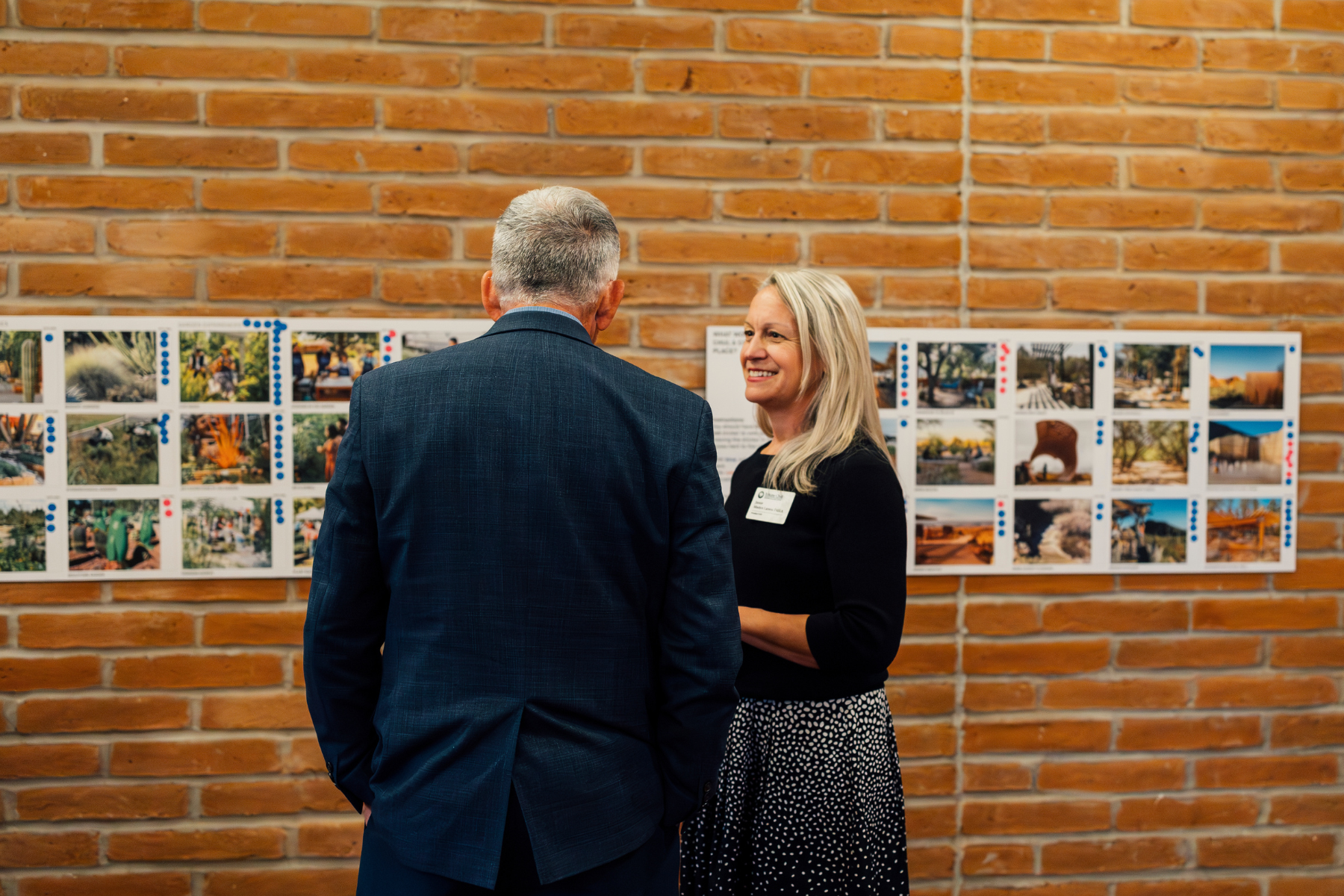
Tohono Chul President and CEO Jamie Maslyn Larson speaks with Oro Valley Mayor Joe Winfield during the Master Plan Open House in January 2026.
Sami’s Courtyard

I’m grateful for the opportunities to implement a few projects in a relatively short time that advanced our garden as a place of stewardship and belonging. In Sami’s Courtyard, we added pollinator-friendly Sonoran Desert plants, a welcoming porch, and brick paving to linger and relax. At Streamside and Sonoran Seasons, we added movable lounge chairs and swings, where I regularly see folks enjoying time together in the shade. And for three years now, we welcomed children and families into our community at Children’s Museum Oro Valley. These intentional improvements bring people closer to the gardens, and indeed, to each other, in our desert corner.

Just in time for the new year, we’re excited to unveil a new pathway connecting the Education Center to the core gardens, made possible by a generous donor. After walking it today, I was delighted to find it delivers even more than expected — offering ADA-accessible access for all abilities while drawing visitors deeper into our native desert landscapes and effectively expanding the garden experience by nearly an acre. The path improves wayfinding, unifies previously disconnected features, and uses an eco-friendly, permeable material made from stone and recycled tires that is both comfortable underfoot and resilient during monsoon storms.
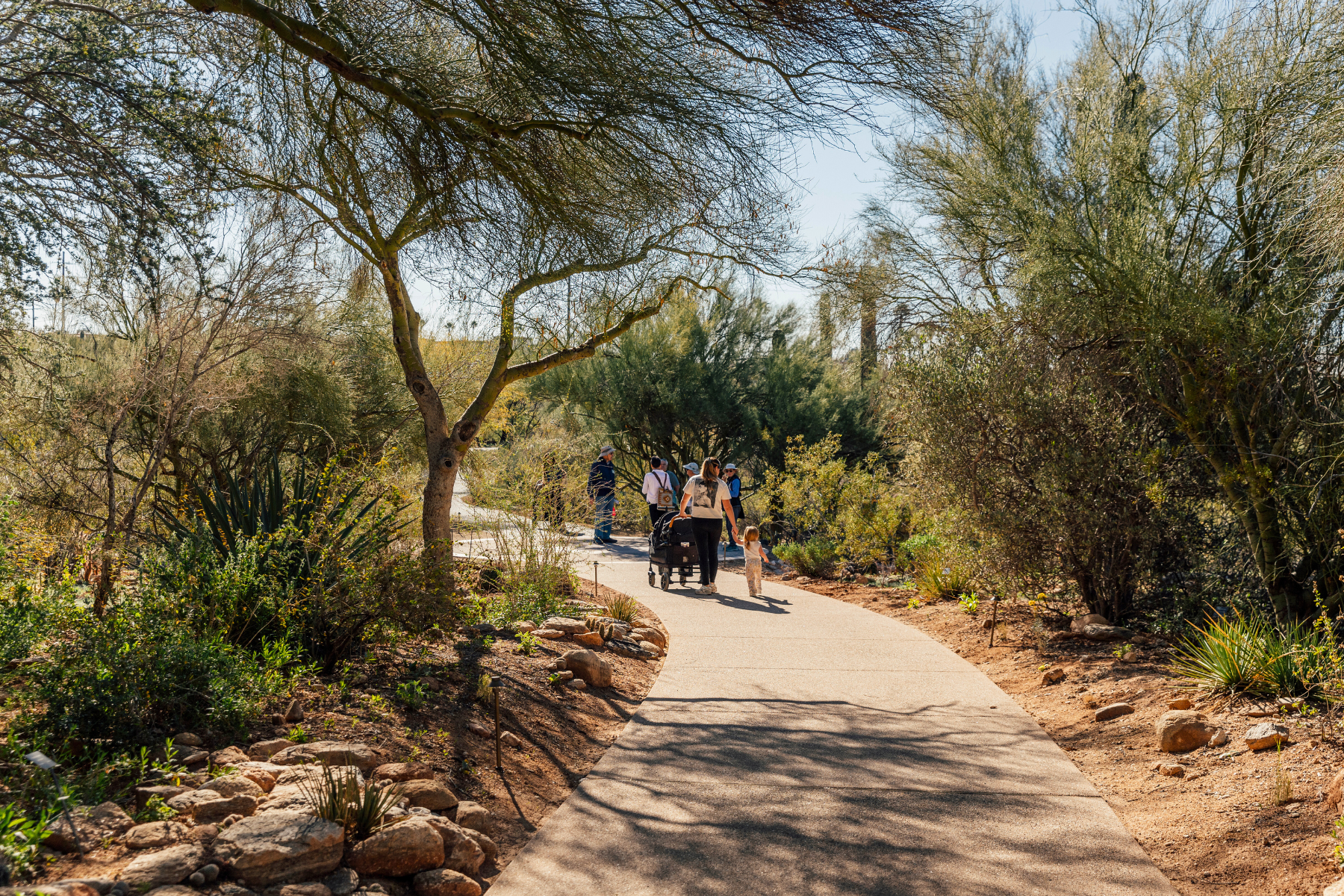
More than a walking surface, the path reflects our mission to be a community oasis — one that supports connection, accessibility, and stewardship so future generations may thrive.

Carrying This Momentum Forward, We Have More in Store for 2026:

  • Twilight Sonoran, a new mural by artist Ignacio Garcia, will bring the magic of the Sonoran Desert after dark to our Pavilion, made possible with support from the Town of Oro Valley. Be among the first to experience it at our I Heart Art event on February 14, featuring live music, food, and enchanting gardens.
  • Thanks to your support, construction will begin soon on the Adaptive Arboretum Garden, featuring climate-resilient trees, guided tours, and hands-on workshops to help Tucsonans learn how to plant and care for native trees. Stay tuned for our opening event festivities!
  • We have launched Tohono Chul’s new Master Plan, which will guide the organization’s growth over the next 10–15 years. Community input is central to this effort, and we hope you will join us for open house sessions with the design team on Wednesday, April 15, from 5–7pm in the Garden Pavilion.
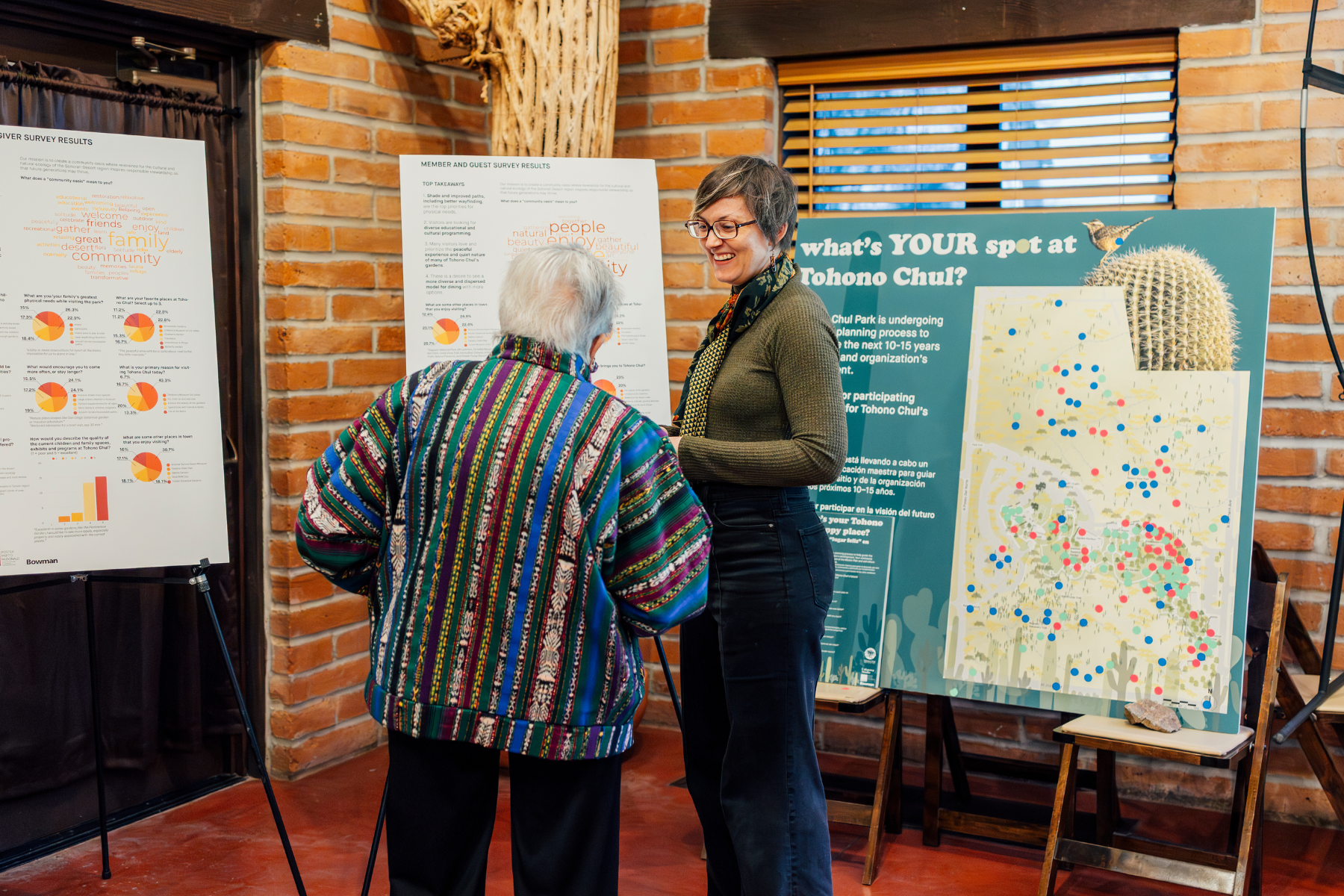
Master Plan Open House, Jan. 2026

As we step into 2026, I invite you to imagine with us — not just what Tohono Chul is today, but to look forward with optimism, to think utopian not as an abstraction, but as a shared act of care, creativity, and commitment. Together, we will continue shapinga desert oasis that inspires connection, nurtures wonder, and grows more meaningful with each thoughtful step we take into the future.

Happy New Year,



Jamie Maslyn Larson
President/CEO
jamie@tohonochul.org

A Transformative New Mural by Ignacio Garcia Comes to Tohono Chul’s Garden Pavilion

A New Chapter for the Garden Pavilion: From Blank Wall to Desert Night

As the Pavilion wall transitions from white to the blue color palette of Ignacio Garcia’s newest mural, Twilight Sonoran, let’s look back at how this exciting addition to Tohono Chul’s art collection came to be.

This transformative public art project was envisioned following our 40th anniversary last April. We wanted to continue the celebration by commissioning a new mural aimed at transforming the Garden Pavilion into a vibrant, daily destination for residents and visitors alike, a premier event space, and an extension of our mission, vision, and values as a nonprofit organization.

A technical drawing of the Garden Pavilion wall identifying the approximately 1,200-square-foot surface selected for the mural installation.

Inviting Artists to Reimagine the Pavilion

The project, made possible through the generous support of the Town of Oro Valley, officially kicked off in August with a ‘Call for Proposals’. The call was open for one month, and qualified artists were asked to submit examples of completed murals, concepts, or other large-scale works along with an artist statement, CV, and biography. Word spread far and wide! In September, we reviewed 41 qualification packages submitted by 42 artists from 13 states (Arizona, California, Colorado, Florida, Georgia, Michigan, New Jersey, New Mexico, New York, Ohio, Pennsylvania, Washington, and Wyoming), four countries (Canada, Greece, Mexico, and the United States), and across Southern Arizona (Ajo, Mesa, Nogales, Oracle, Phoenix, Tucson, and Yuma)! 

After reviewing the 41 proposals submitted, three talented regional artists were selected to advance to stage 2 of the submission process, where they were asked to create a conceptual mural design specifically for Tohono Chul, along with a detailed budget and installation schedule. 

In late October, a panel of eight members representing Tohono Chul, the Town of Oro Valley, and the arts community convened to review the top three candidates’ mural concepts. Ultimately, Ignacio Garcia’s Twilight Sonoran was selected. Ignacio considers himself a Muralist, Cultural Storyteller, and Sonoran Visionary, and his concept beautifully captures how the Sonoran Desert comes alive at night. 


Ignacio Garcia on His Vision for the Mural

“Twilight Sonoran is a digital concept mural that captures the breathtaking magic of the Sonoran Desert after dark—through the eyes of its creatures. This mural invites viewers to step into an animal’s perspective of the desert night, where late-summer monsoons roll across the horizon, stars shimmer in silence, and life glows softly beneath a moonlit sky. The mural explores the rarely seen beauty of the desert’s nocturnal ecosystem. The design will emphasize depth, motion, and emotion – allowing the viewer to feel the desert rather than simply see it.

This mural is more than decoration—it’s an invitation into the Sonoran night. A visual poem in blue, glowing with quiet desert life, meant to calm, inspire, and connect. When visitors leave Tohono Chul, they’ll carry with them the memory of twilight in the desert—a feeling that lingers like starlight.”

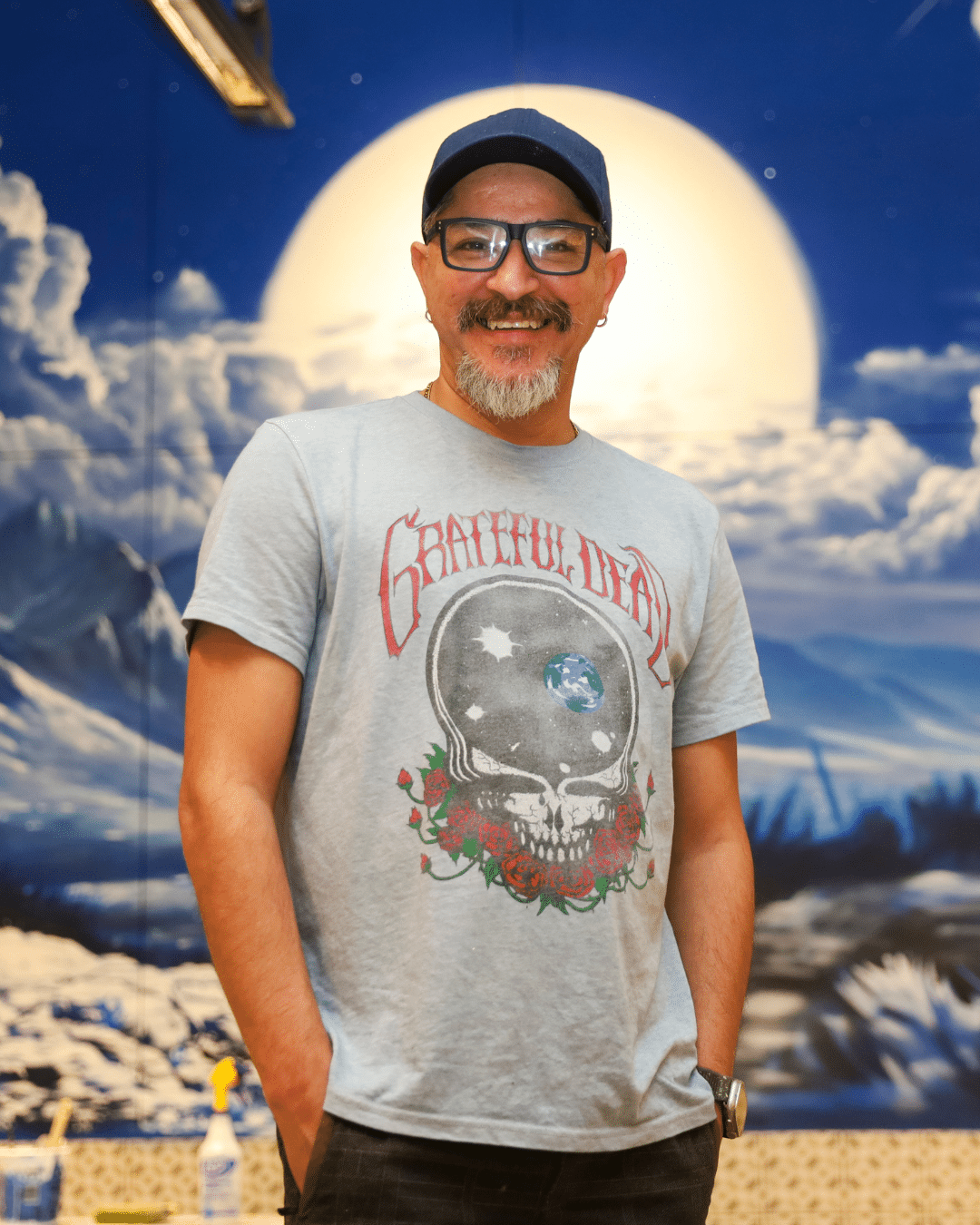
Ignacio Garcia poses for a photo in front of a portion of Twilight Sonoran.

Refining the Details, Honoring the Desert

Throughout November and December, we worked with Ignacio to refine the design – a patch of Peniocereus greggii here, a bat there – until it was perfect for Tohono Chul. Twilight Sonoran honors our 40-year history, reinforces our mission, and celebrates the unique beauty of the Sonoran Desert region.

In early January, Ignacio began working on the mural. This versatile, timeless, and mood-driven mural will transform the indoor Garden Pavilion into a daily destination for guests and a premier event venue, while also raising awareness of Tohono Chul’s mission and attracting visitors from near and far.

We can’t wait to see Twilight Sonoran come to life!

Written by Karen Hayes, Associate Curator & Collections Manager

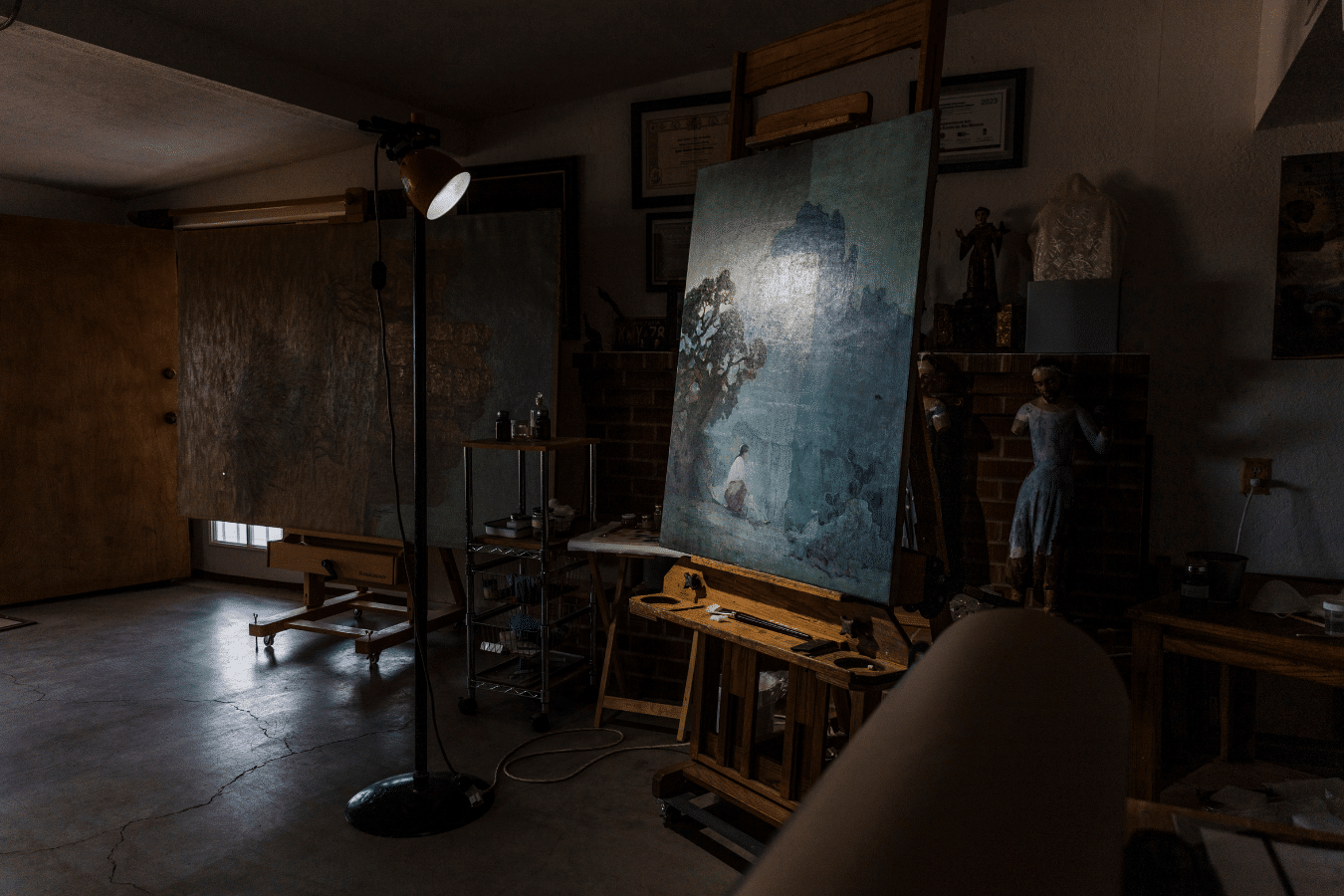
Ignacio Garcia sketches out details of the mural in the Tohono Chul Garden Pavilion.

Tohono Chul Launches New Master Plan with Unknown Studio, PMM Architects, and Bowman Engineering 

Tohono Chul is excited to announce the launch of a new master plan that will guide the organization’s development over the next ten to fifteen years. This marks the first comprehensive planning effort in more than two decades, a significant milestone that underscores Tohono Chul’s commitment to both preserving its unique desert identity and preparing for a dynamic future. 

The initiative coincides with Tohono Chul’s 40th anniversary, a moment to celebrate the vision of founders Richard and Jean Wilson. Their enduring legacy of conservation, culture, and community continues to inspire the organization’s growth and mission. 

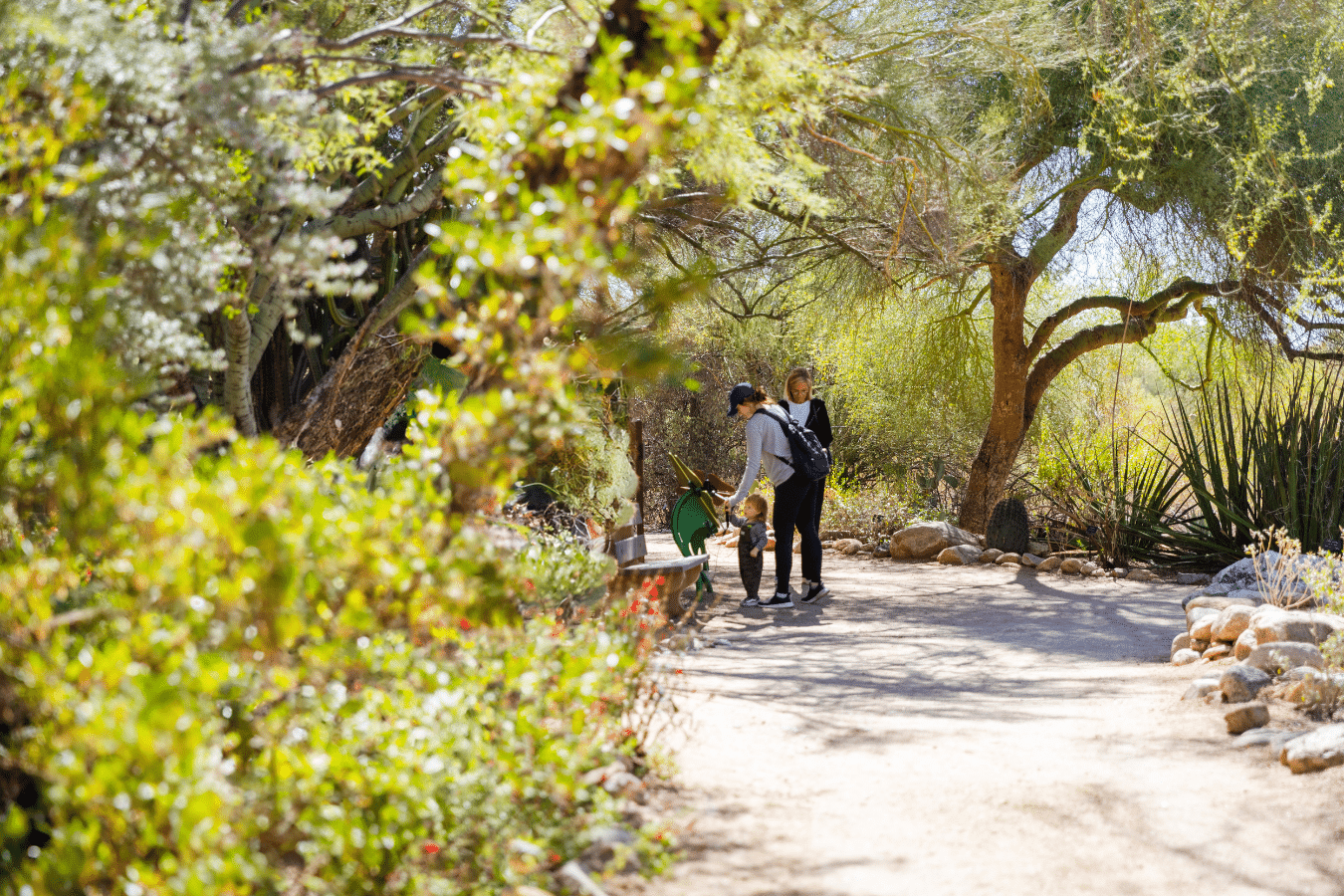
A family enjoys the interactive musical flower instruments as they make their way to the Children’s Museum Oro Valley at Tohono Chul.
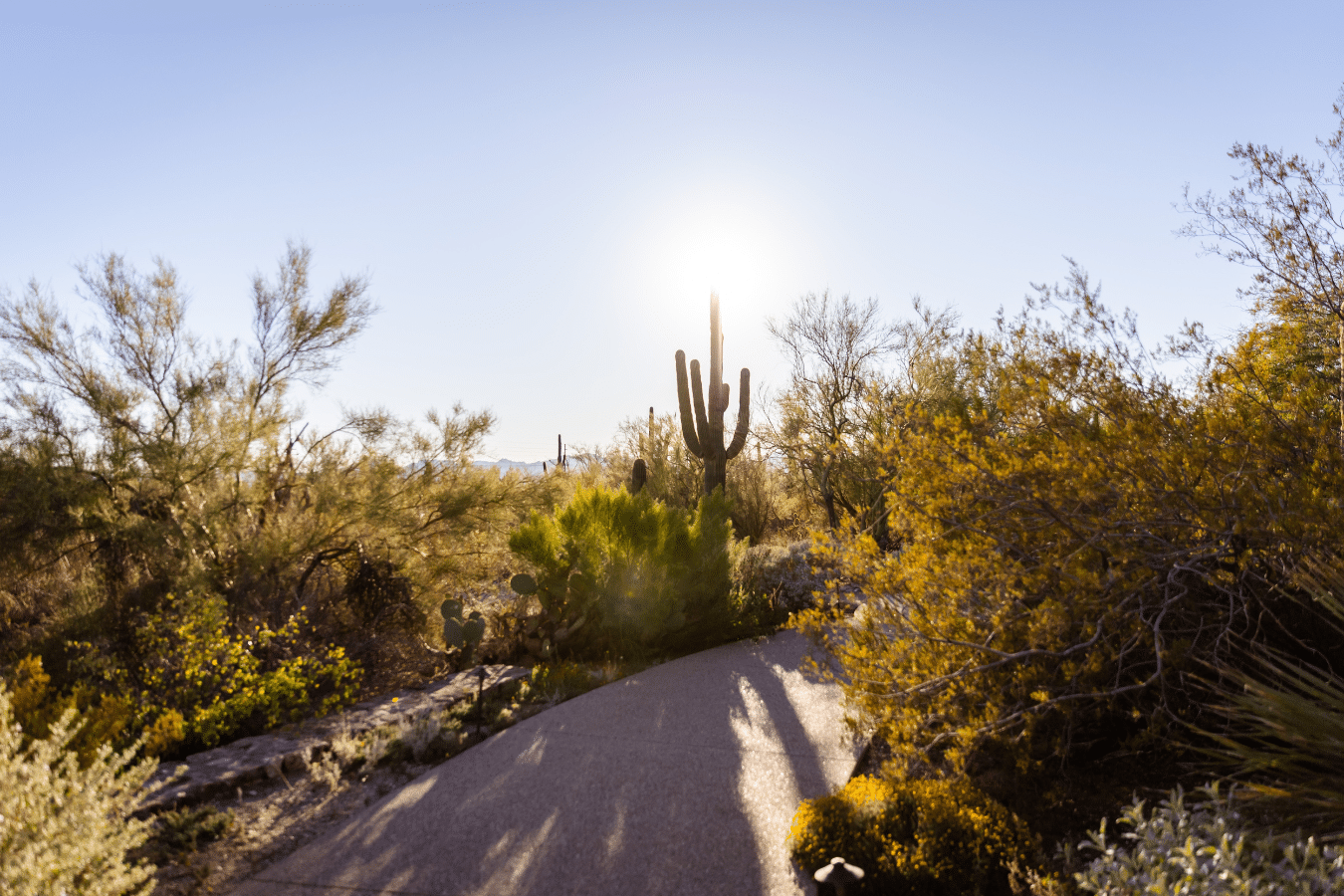
Golden hour light illuminates a winding pathway at Tohono Chul, highlighting the cacti and desert flora that define the Sonoran landscape.

Leading the master plan effort is Unknown Studio, a nationally recognized landscape architecture firm based in Baltimore, Maryland. With a team of fourteen landscape architects and designers, Unknown Studio is known for design excellence, collaborative leadership, and ecological/horticultural expertise.

Since its founding in 2018, the award-winning firm has completed over $60 million in projects built or under construction, including work for the United States Botanic Garden, Longwood Gardens, Naples Botanical Garden, Lewis Ginter Botanical Garden, and the Rose Kennedy Greenway Conservancy. 

“Tohono Chul’s 40th anniversary is the perfect time to look ahead while staying rooted in the legacy of the Wilsons,” said Koren Manning, Board Chair of Tohono Chul. “This master plan will ensure that the garden is a place of beauty, learning, and community for decades to come.” 

“Tohono Chul is a treasured place in Tucson,” said Jamie Maslyn Larson, President/CEO of Tohono Chul. “It is an honor to work with a team of designers and partners who will weave the cultural and ecological beauty our 49-acre oasis into an exciting vision for our future.” 

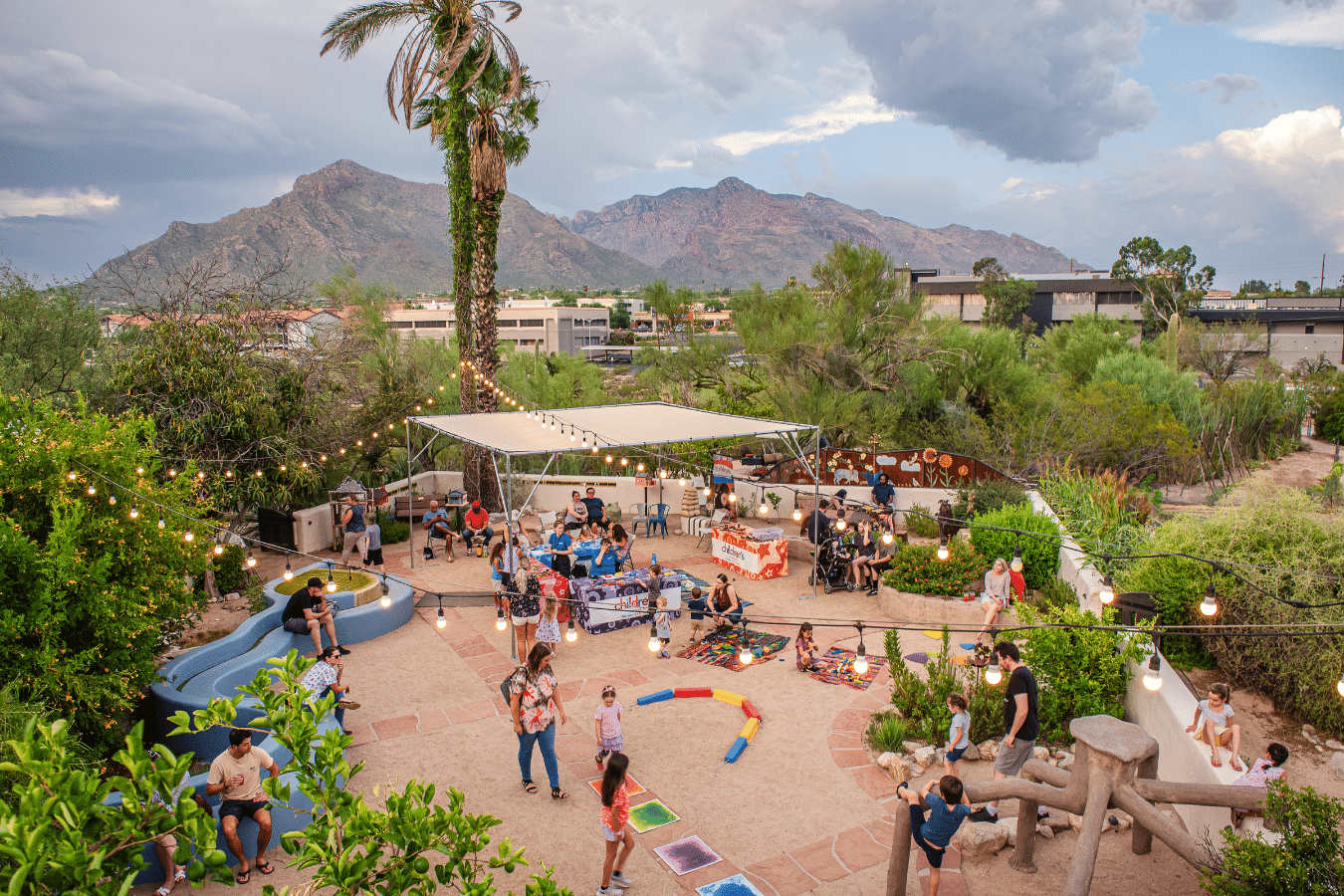
Visitors make the most of the Children’s Garden during Chillin’ at the Chul, a summer music series offering free admission, children’s activities, art exhibits, and refreshments.
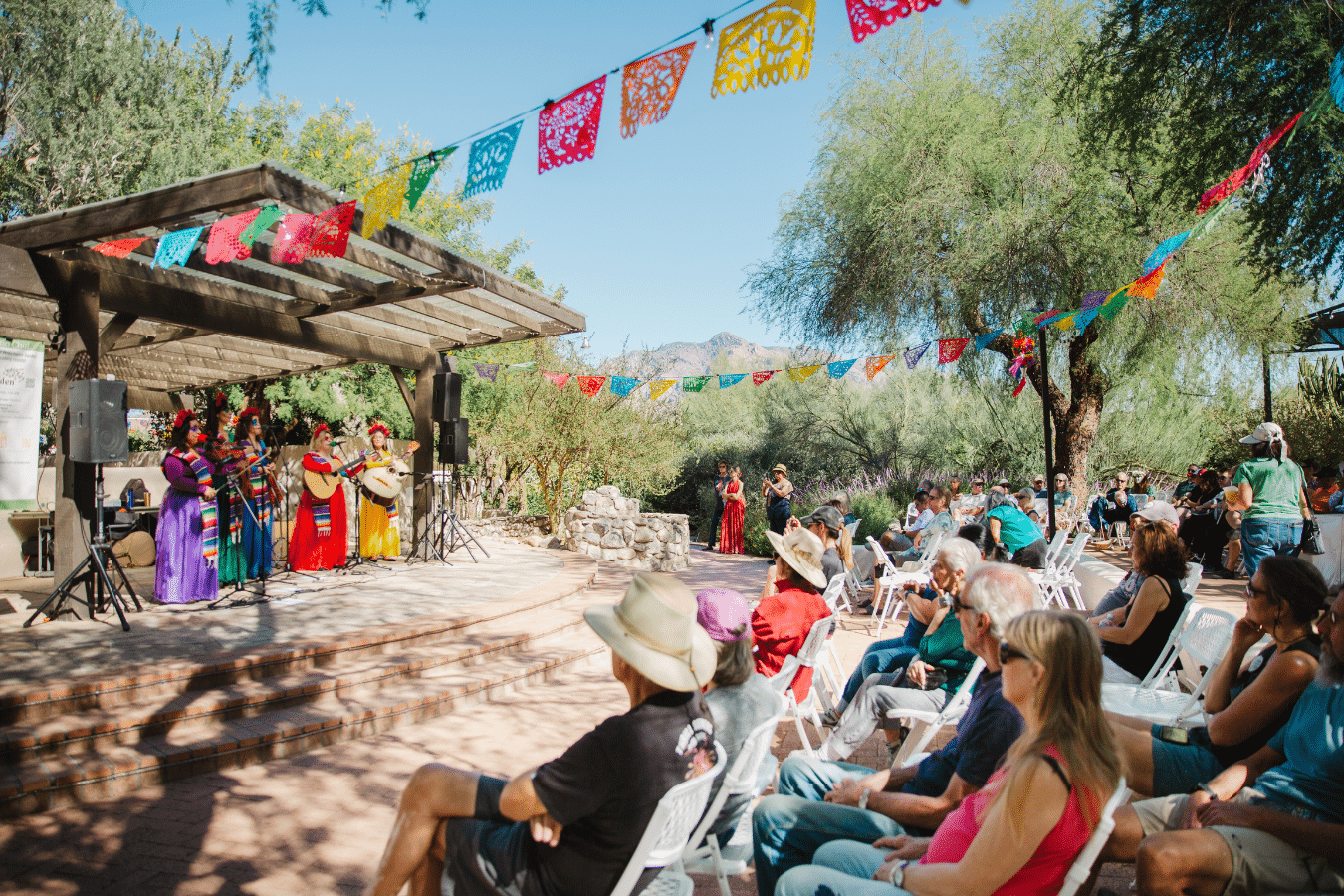
Las Azaleas, an all-women mariachi ensemble, performs at Tohono Chul’s annual Chiles, Chocolate & Day of the Dead Festival.

Unknown Studio Founding Partner Claire Agre said, “We see gardens as places where the humanities and sciences, beauty and care, the individual and collective, come together. Tohono Chul’s unique Sonoran Desert identity offers an extraordinary opportunity to build on that conversation, creating a master plan that honors its past while imagining a vibrant future.” 

The planning team also includes PMM Architects, whose expertise in master plans, historic preservation, and community engagement will honor and renew the site’s architectural legacy and sense of place as the gardens evolve, as well as Bowman, whose technical expertise will provide the foundation for sustainable, forward-looking infrastructure and design solutions. 

“PMM Architects is proud to contribute our experience in historic preservation to ensure that Tohono Chul’s character remains strong even as it grows,” said Corky Poster, Founding Principal at PMM Architects. “We look forward to bringing solutions that support sustainability, efficiency, and resilience to this special project,” added Tim Johnson, Director at Bowman. 

Community outreach will be central to the planning process, inviting input from visitors, staff, and stakeholders to create a shared vision for the future of Tohono Chul. 

For more information or to stay involved, community members are encouraged to subscribe to Tohono Chul’s newsletter at tohonochul.org/get-engaged.

Click here to download the official media release.

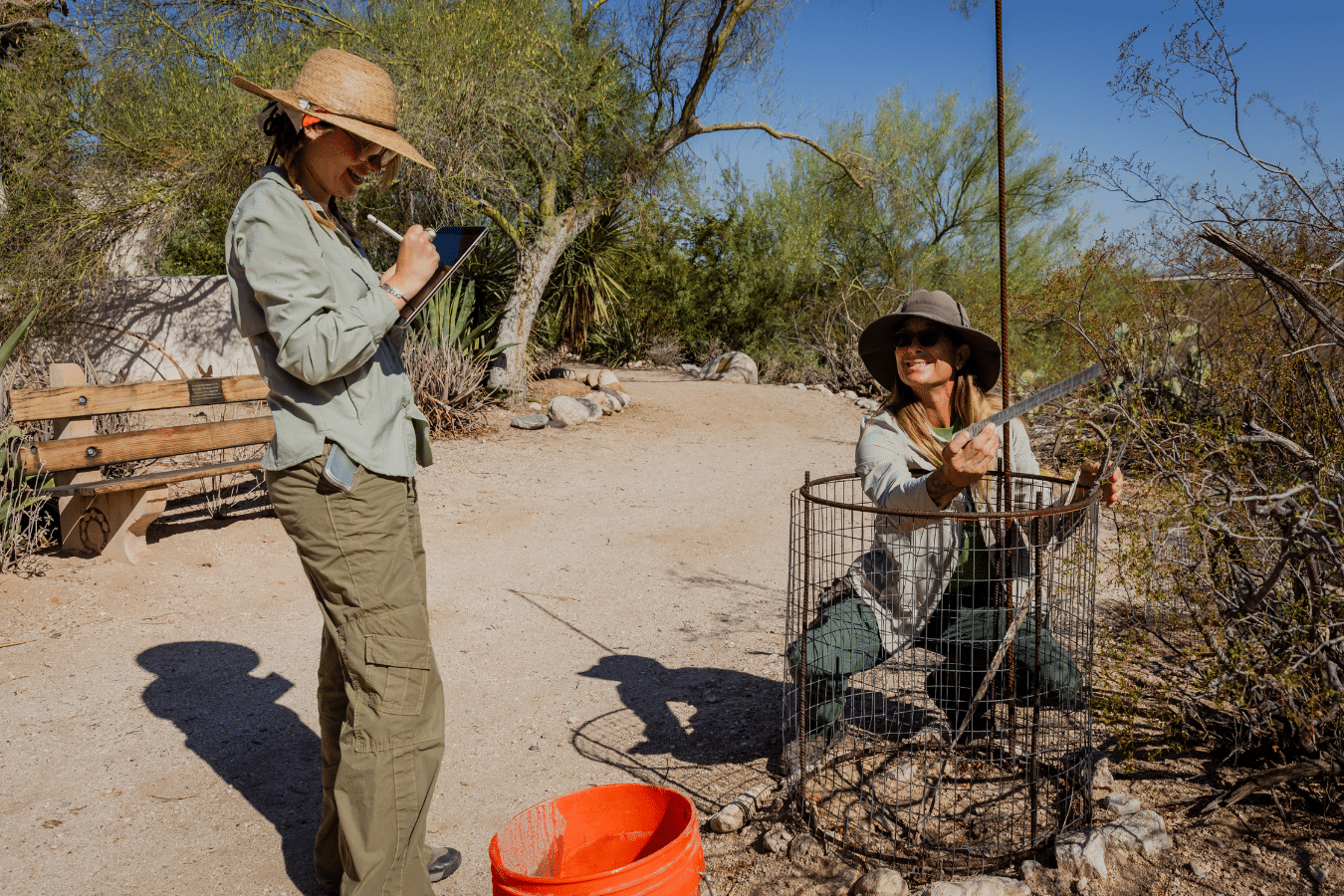
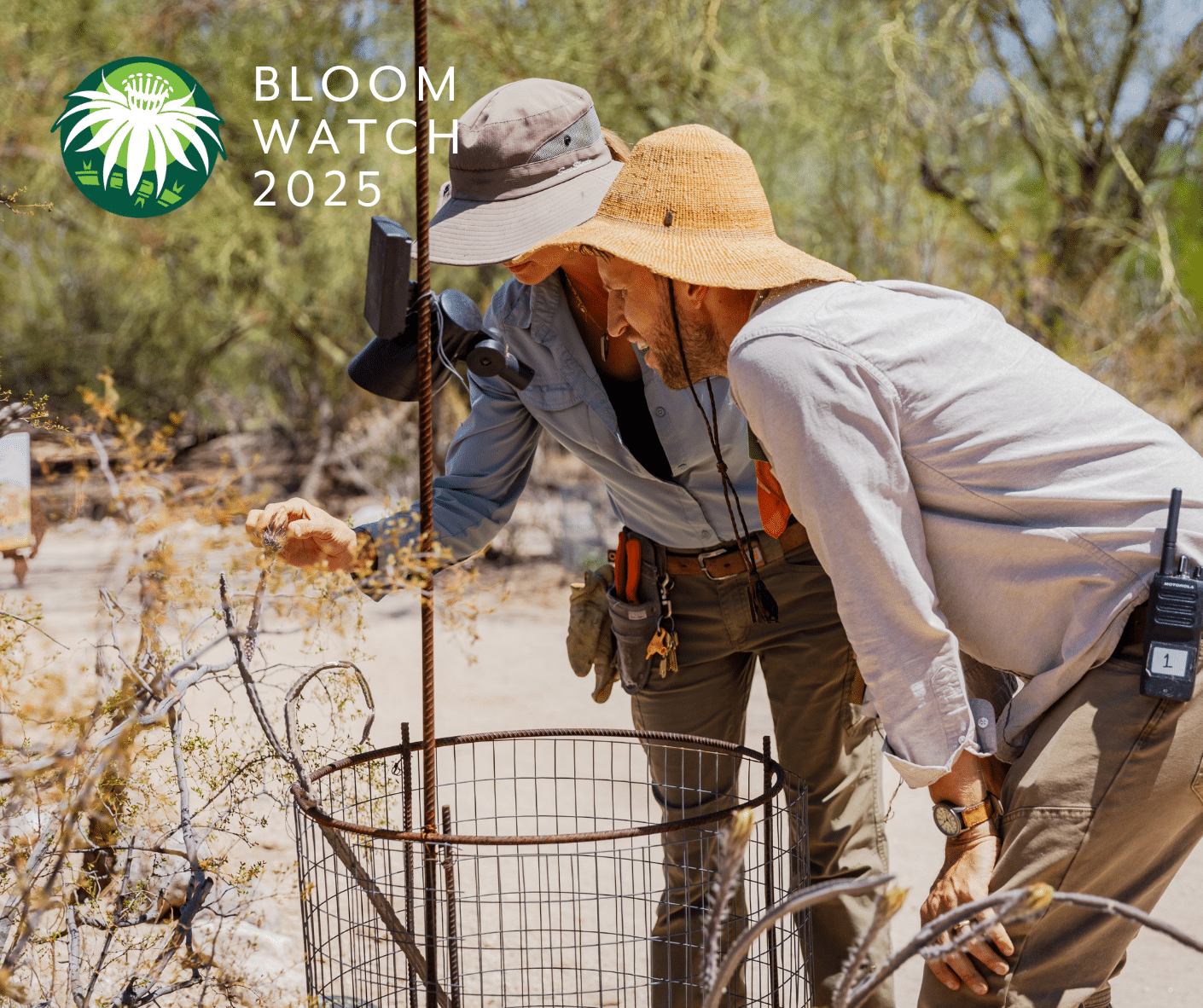
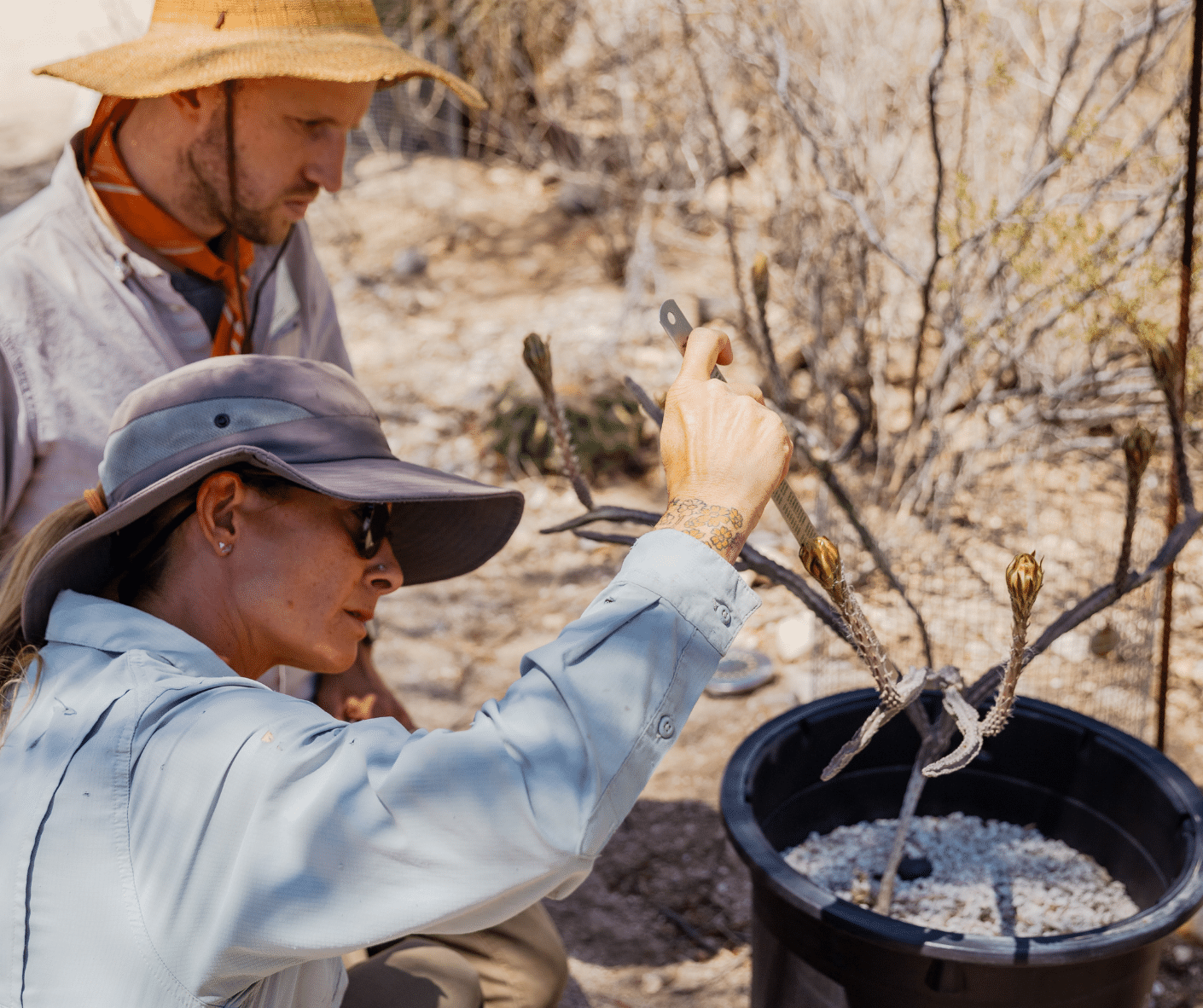
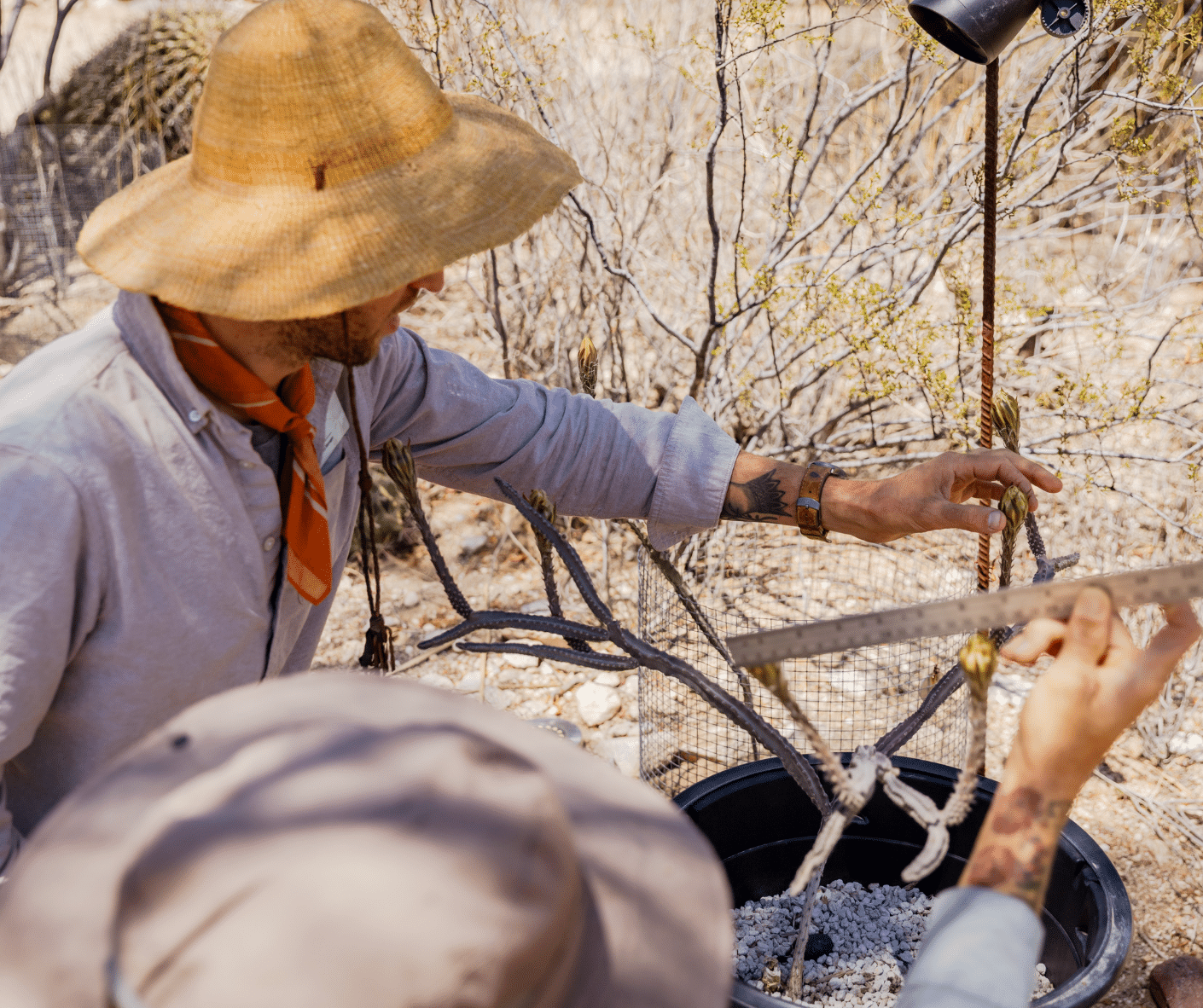
As part of Bloom Watch 2025, Living Collections Coordinator Juliana Ahumada and Gardener & Arborist Shauna Smith examine the developing buds of Tohono Chul’s Peniocereus greggii collection along the Desert View Trail.

Arizona Dawn: From Canvas to Conservation

Arizona Dawn by Mary-Russell Ferrell Colton

A century-old sunrise is shining again at Tohono Chul. Arizona Dawn—a 1917 oil painting by trailblazing artist and museum founder Mary-Russell Ferrell Colton—has been carefully restored through the dedication of local volunteers, donors, and Tucson’s own Tohono Restoration. This single canvas carries a remarkable story: a pioneering woman artist, a family legacy that helped shape Tohono Chul, and a community that continues to preserve and celebrate art and culture in the Sonoran Desert.


About Mary-Russell Ferrell Colton

Mary-Russell Ferrell Colton (MRFC) was born on March 25, 1889, in Louisville, Kentucky, and was raised in Philadelphia. She attended the esteemed Philadelphia School of Design. At the age of 15, she was the youngest in her class, where she studied oil painting and watercolor. After graduating with honors in 1909, she opened a studio with one of her classmates. MRFC was a founding member of The Ten, also known as The Philadelphia Ten, a group of American female artists who exhibited together from 1917 – 1945. Their goal was for women to be accepted as professional artists and move beyond being viewed as simply hobbyists. After moving to Arizona, MRFC remained part of The Ten and exhibited with them regularly through 1940.

Mary-Russell Ferrell Colton always had her sketch box with her. She would often make quick sketches of scenes that caught her eye, transferring them to canvas later in her studio. Many of these scenes became the lovely southwestern landscapes that she is known for today, like Arizona Dawn. In 1920, the Christian Science Monitor acknowledged her emerging southwestern aesthetic: “In her Arizona canvases, Mrs. Colton gives full sway to her love of color. One is impressed by the sense of vast remoteness that she manages to capture for these western paintings that are bringing her ever-increasing recognition.”

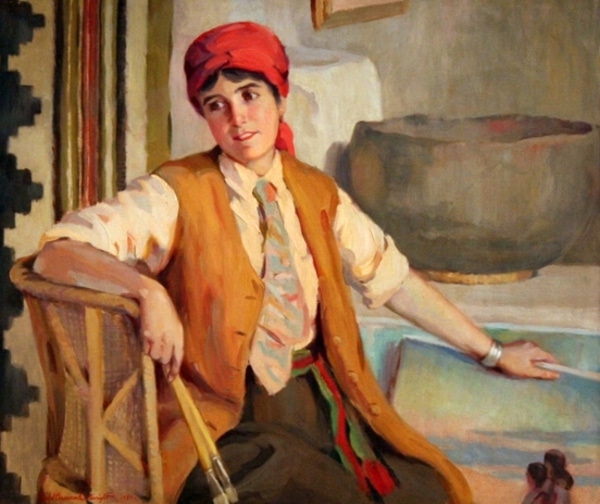
Portrait of Mary-Russell Ferrell Colton by Isabel Branson Cartwright from the collection of the Museum of Northern Arizona

A true Renaissance woman, in addition to painting, sculpting, and creating linoleum prints, Mary-Russell Ferrell Colton was also a curator, an author, an ethnographer, and a farmer. In the 1920s and 1930s, MRFC managed a farm at Antelope Valley Ranch, and she was recognized as the sole female farmer on the Coconino County Extension Agent’s roster. All of these accomplishments and more led to her induction into the Arizona Women’s Hall of Fame in 1981 (the year it was established)


Museum of Northern Arizona & Tohono Chul Connection

Before Arizona Dawn made its way to Tucson, the painting was exhibited at the Atlantic City Art Association (1926), the Brooklyn Museum (sometime before 1932), and the Art Club of Philadelphia (1936). So, how did Arizona Dawn end up in Tohono Chul’s permanent collection? Mary-Russell Ferrell Colton and her husband, Dr. Harold S. Colton, were the aunt and uncle of Tohono Chul’s founders, Richard and Jean Wilson.

The desire to preserve and exhibit objects is deeply rooted in the Wilson family. Richard’s great, great, great-grandfather was Charles Willson Peale (1741–1827), a portraitist of the Federalist Era and founder of Philadelphia’s Peale Museum, one of America’s first major museums. Roughly a century and a half later, Harold S. Colton and Mary-Russell Ferrell Colton founded Flagstaff’s Museum of Northern Arizona (MNA).

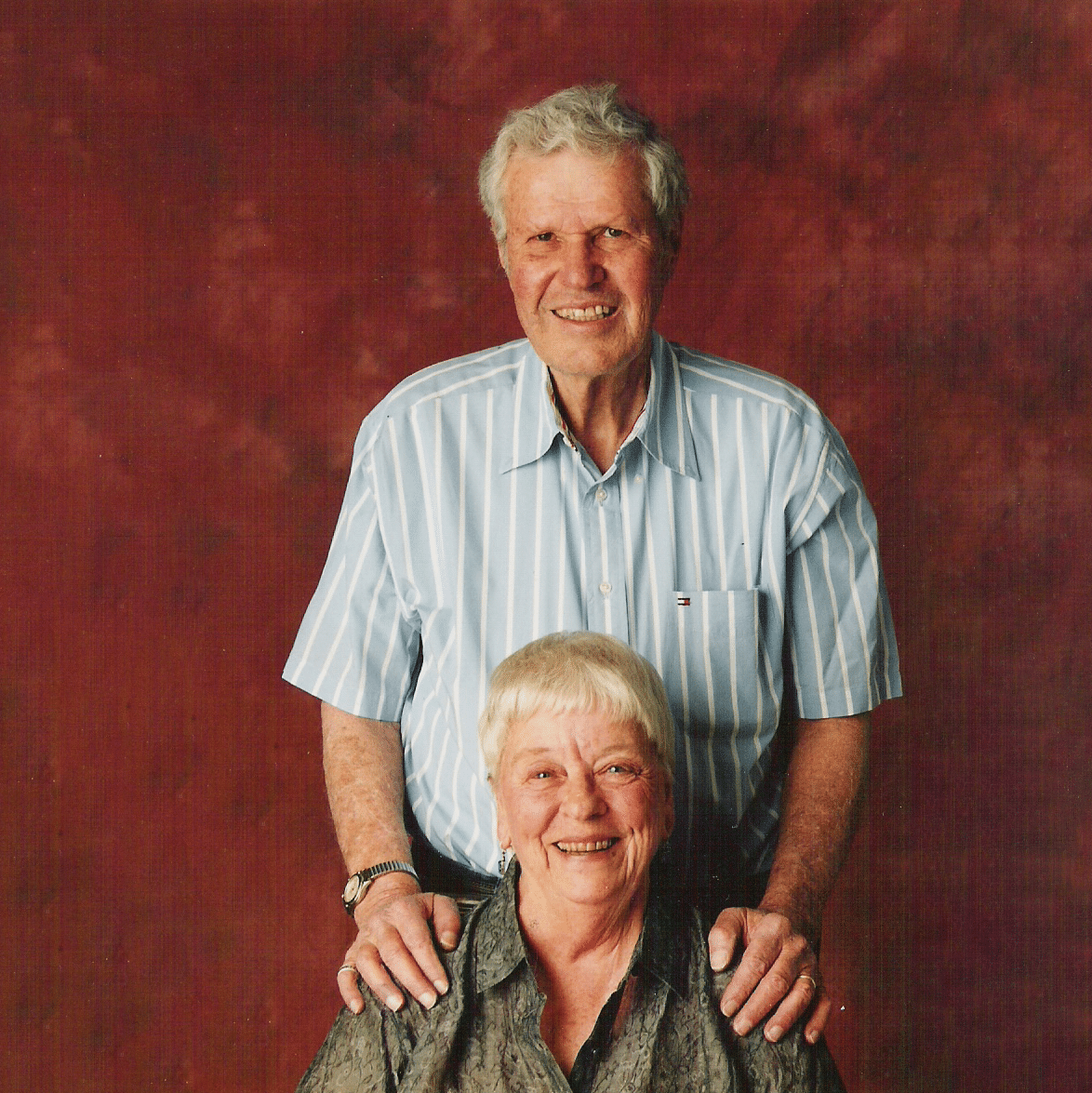
Richard and Jean Wilson, Tohono Chul’s Founders
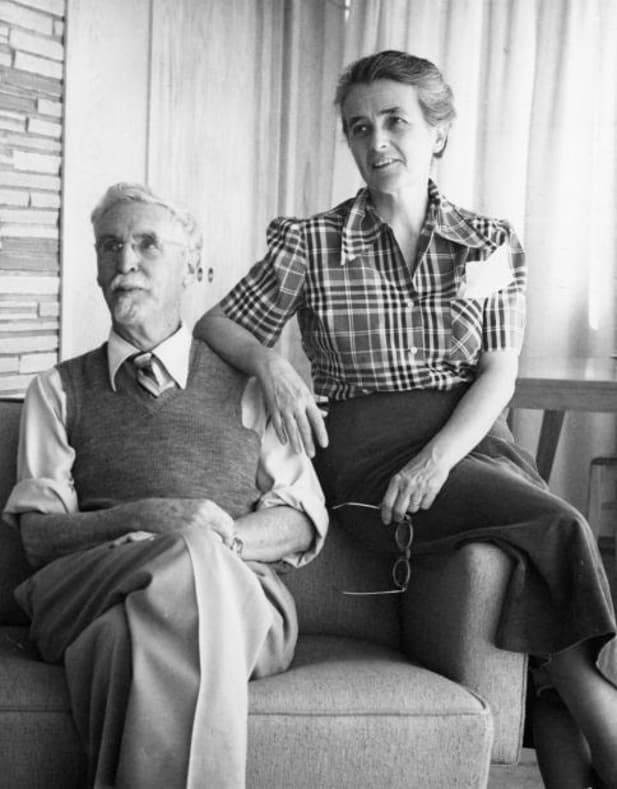
Harold Colton and Mary-Russell Ferrell Colton at their home in Sedona, from the collection of the Museum of Northern Arizona

In 1910, Mary-Russell Ferrell and Harold Colton were both living in Philadelphia; however, they met on a backpacking trip in British Columbia and visited Flagstaff for the first time on their return journey. They married in 1912 and honeymooned throughout the southwest, including a return visit to Flagstaff.

For the next several years, the couple would visit Flagstaff every other summer – the Coltons had discovered the remains of a prehistoric village on a trip in 1916 and were determined to document and map other sites throughout the area. The Colton family moved permanently to Flagstaff in 1926. Not only to continue exploring and mapping the area, but also for the health benefits the region offered to their son, Ferrell, who suffered from asthma. Their love of the native cultures and natural history of the Colorado Plateau region led Harold Colton and Mary-Russell Ferrell Colton to establish the Museum of Northern Arizona in 1928.

Mary-Russell Ferrell Colton served as the museum’s Curator of Art and Ethnology from 1928 – 1948. During her tenure, she advocated extensively for Arizona artists and for native artists. Established in 1929, the Arizona Artists Exhibition served as a venue for local and regional artists to share their work with the community. This annual exhibition lasted for roughly a decade.

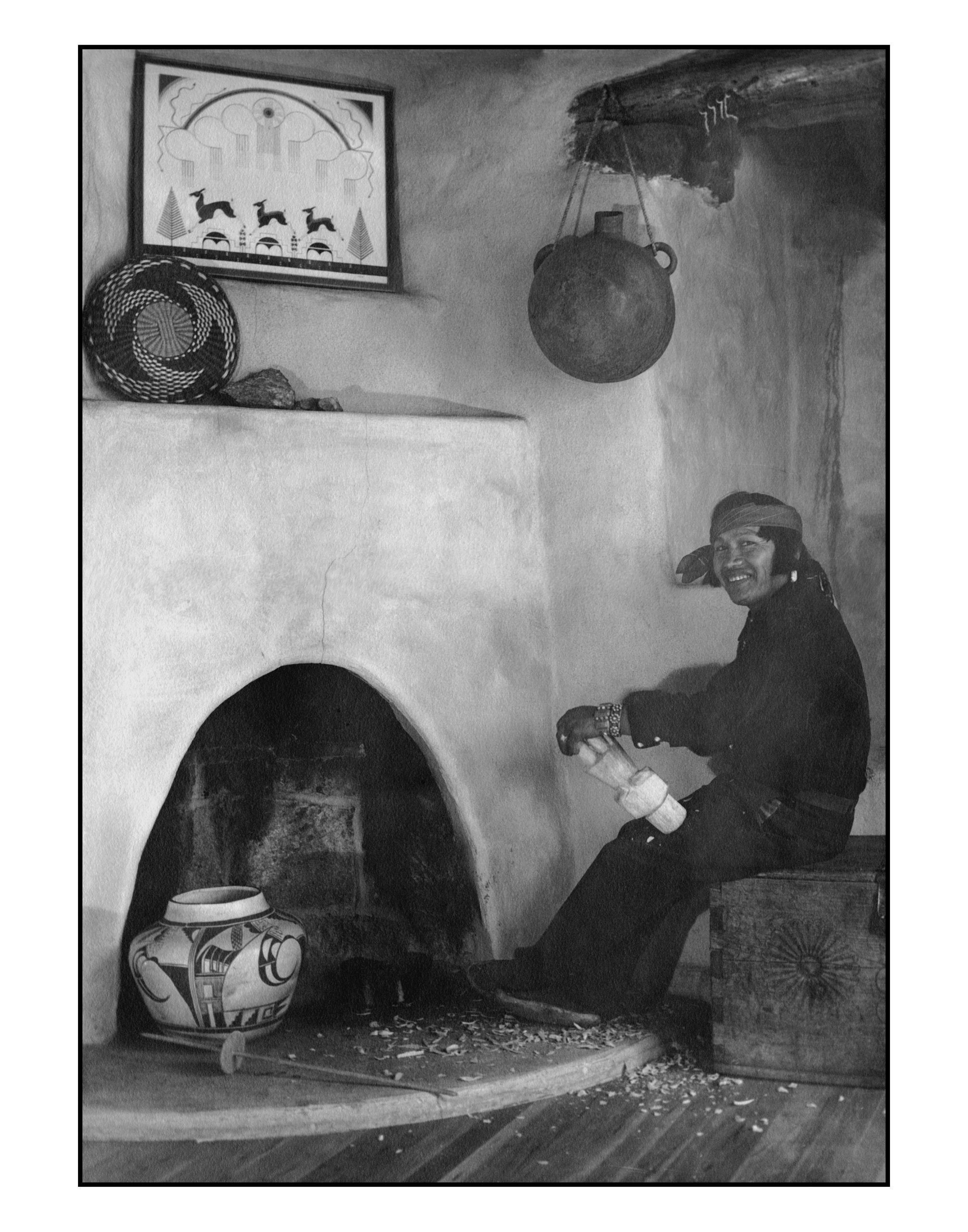
MRFC was also a champion of indigenous people and art in the region. Renowned Hopi Katsina carver, Jimmy Kewanwytewa, joined the Museum of Northern Arizona’s staff in 1930 and remained there until his death in 1966. Jimmy K. was the first carver to initial his Katsina dolls thanks to the encouragement of MRFC. In 1930, MRFC launched the first Hopi Craftsman Exhibition – an opportunity for Hopi artists to display and sell their artwork. MRFC initially worked with the Hopi tribe because she had established many friendships, and she recognized that their remote location lacked a market. MRFC later became involved with the Navajo Craftsman Exhibition held originally at Wupatiki National Monument (1936), eventually moving to the Museum of Northern Arizona (1949). These Craftsman Exhibitions evolved into MNA’s Heritage Festival of Arts & Culture, still held annually.

Photograph of Jimmy Kewanwytewa by Milton Snow, gift of the Estate of Mrs. Robert Wilson, from the collection of Tohono Chul

Mary-Russell Ferrell Colton’s love of the natural world was palpable and could be seen through her paintings, through her actions, and through her own words: “As night came on the great peaks seemed to lean nearer us, the stars came out behind their huge black forms, and the rosy alpine glow faded from the highest pinnacles. The frogs began their chorus, a bat whirred by, the fire roared… and we found ourselves sole possessors of this wondrous night. And when we next awakened, a huge pale moon filled the valley with a mystic radiance.” – Mary-Russell Ferrell Colton, July 1912.

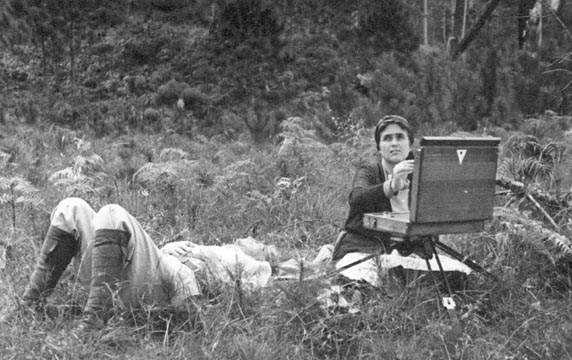
Mary-Russell Ferrell Colton painting in plein air, from the collection of the Museum of Northern Arizona

Conservation Treatment

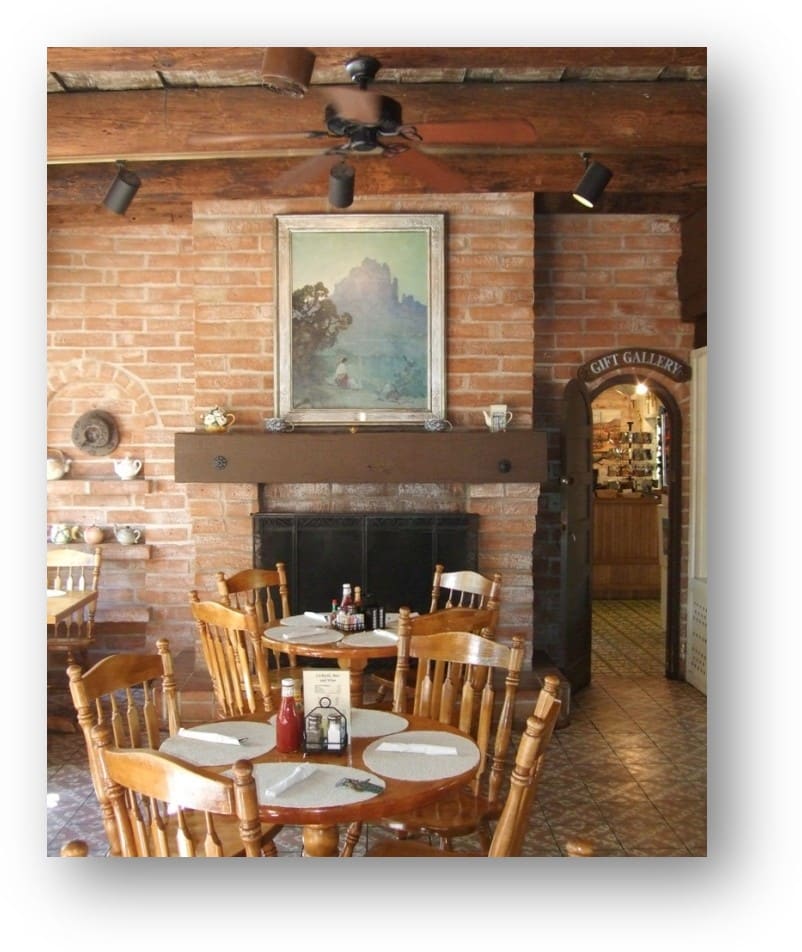
Arizona Dawn was lent to Tohono Chul on an indefinite basis by Richard and Jean Wilson in 1988. It hung above the mantle in the Tea Room (now Tohono Chul’s Garden Bistro) for almost 25 years. The painting was bequeathed to the park in 2012 after Richard and Jean’s passing.

In November of 2012, conservator Gloria Giffords assessed the condition of the painting and provided a treatment proposal. For over a decade, the Arts Department looked for funding sources and/or potential donors to restore the painting to its original glory. Lucky for us, in 2024, a fundraising initiative spearheaded by dedicated docent Carol Massanari meant this dream would soon become reality.

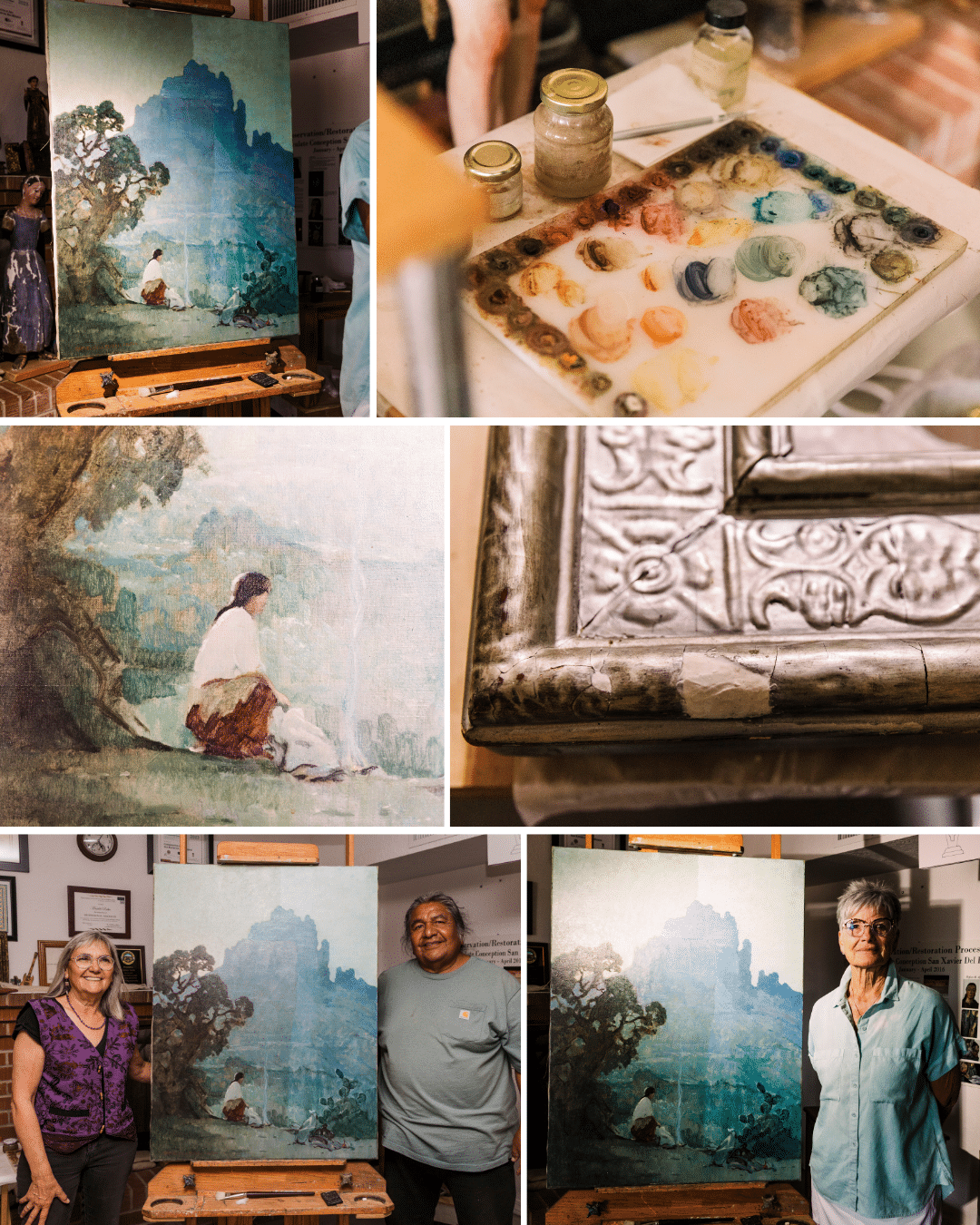
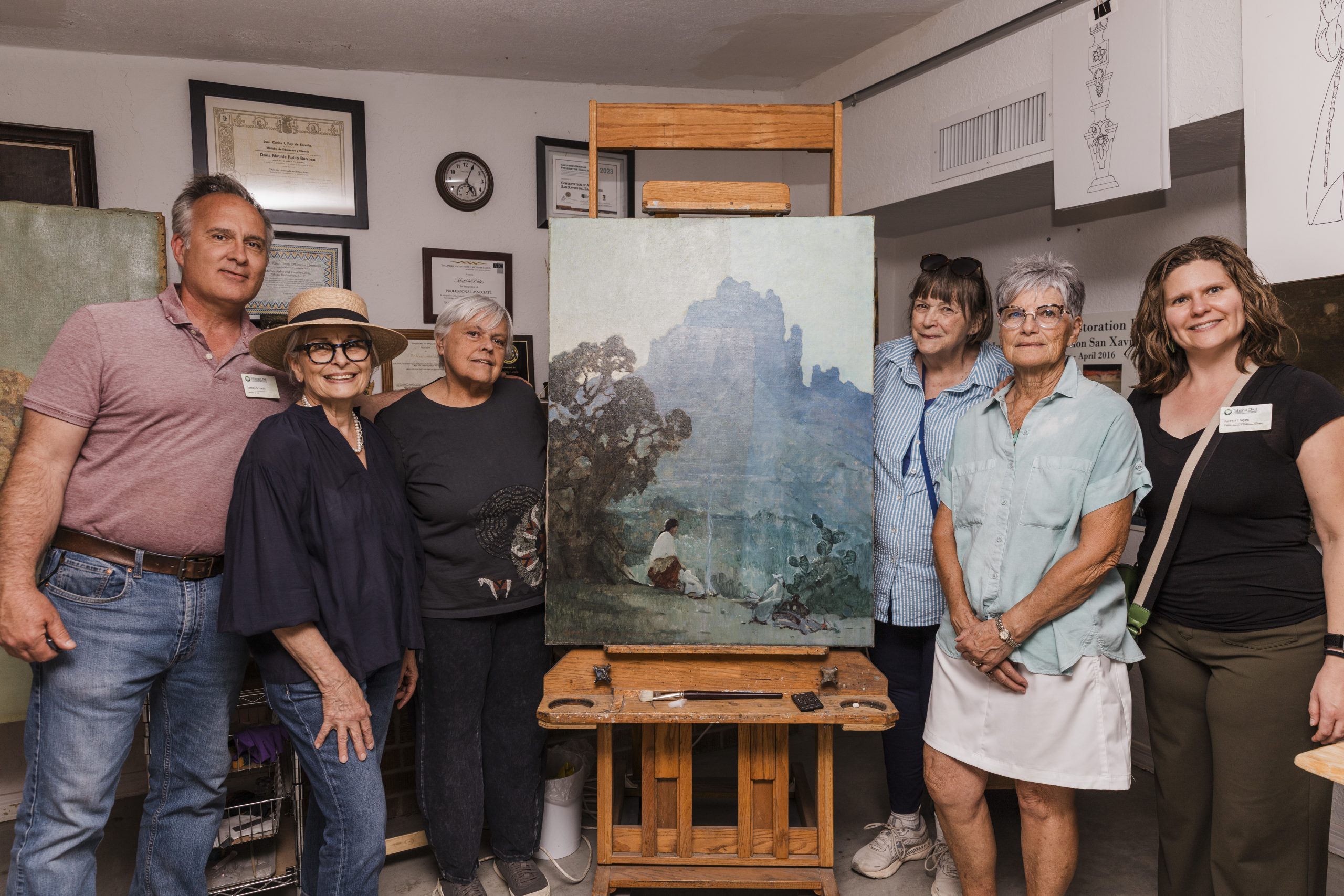
After the fundraising goal was met, Arizona Dawn was transported to Tohono Restoration for treatment. We are grateful to art conservators Matilde Rubio and Timothy Lewis for accepting the project and allowing the painting to remain in Tucson.

Overall, the painting was deemed in good condition – remarkable considering Arizona Dawn was created over 100 years ago! The painting was examined in normal and ultraviolet light, as well as under magnification, to determine the best treatments. The canvas was re-stretched – it had become loose from the stretcher and frame, resulting in warpage throughout the lower left corner. Iron nails were replaced with aluminum staples. The canvas and frame were brushed and vacuumed to remove dust and lint. The original varnish was removed as it had oxidized and turned yellow over time. A layer of smoke over the varnish was also removed – not surprising since smoking was not banned in restaurants in Arizona until 2007. A small hole in the canvas was repaired with a patch (originally covered with yellow tape on the back). After the cleaning and repairs were complete, the canvas was once again varnished. A lower relative humidity index caused the frame’s wooden support to shrink, resulting in cracks, detachment, and missing layers of paint. The frame was repaired by injecting organic glue and stucco into the missing areas, and then it was repainted.


The Tohono Chul Arts Department and Marketing staff, along with a dedicated group of donors, were privileged to visit the painting midway through the treatment process – its transformation amazed us all! A third of the painting was considerably brighter and more vibrant. A scene that had started to look like Arizona at dusk was morphing into its name – Arizona Dawn.


Donor Acknowledgment

Dedicated volunteers continuously contribute time, energy, and love to help make Tohono Chul the treasure that it is. In addition, volunteers generously contributed funds to have the painting Arizona Dawn restored so that it can once again be seen by guests of Tohono Chul.

Special thanks to the following volunteers for their donations:

Anonymous
Liz Bezanson
Sharon Bigot
Kathy Burdick
Crystal Carlin
Barb Carolus
Marianne Checkovich
Sally Clement
David Clement
Tom Crawford
Philip Davis
Kathy DeMerritt
Stephan Donovan
Darsha Doran
Linda Eckhardt
Sharon Edwards

Karen Endorf
Janel Feierabend
Katherine Ferguson
Linda Friedman
Stephen Greene
Mikki Gries
Ethel Haber
Allen Hilderbrand
Jeanie Honn
Gigi Kammeyer
Wendy Kotulla
Sally Lowdermilk
Kathy Marks
Carol Massanari
Gayle Mateer
Carolyn Meador

Linda Mormile
Len Poliandro
Ling Ming Poliandro
Kate Porter
Martin Randall
Astrid Randall
Sally Sample
Cynthia Schultz
Marlene Shamis
Barbara Sherman
Ken Simkins
Dara Sitter
Colleen Slater
Tempe Snyder
Sunny Stone
Hank Verbais
Patricia Weigand

Bloom Night 2025

Another Bloom Night has come and gone, and what a beautiful night it was. The 218 members who joined us to witness the Queen of the Night in bloom were treated to a truly spectacular show…

Continue reading

Bloom Watch 2025 | The Queen is HERE!

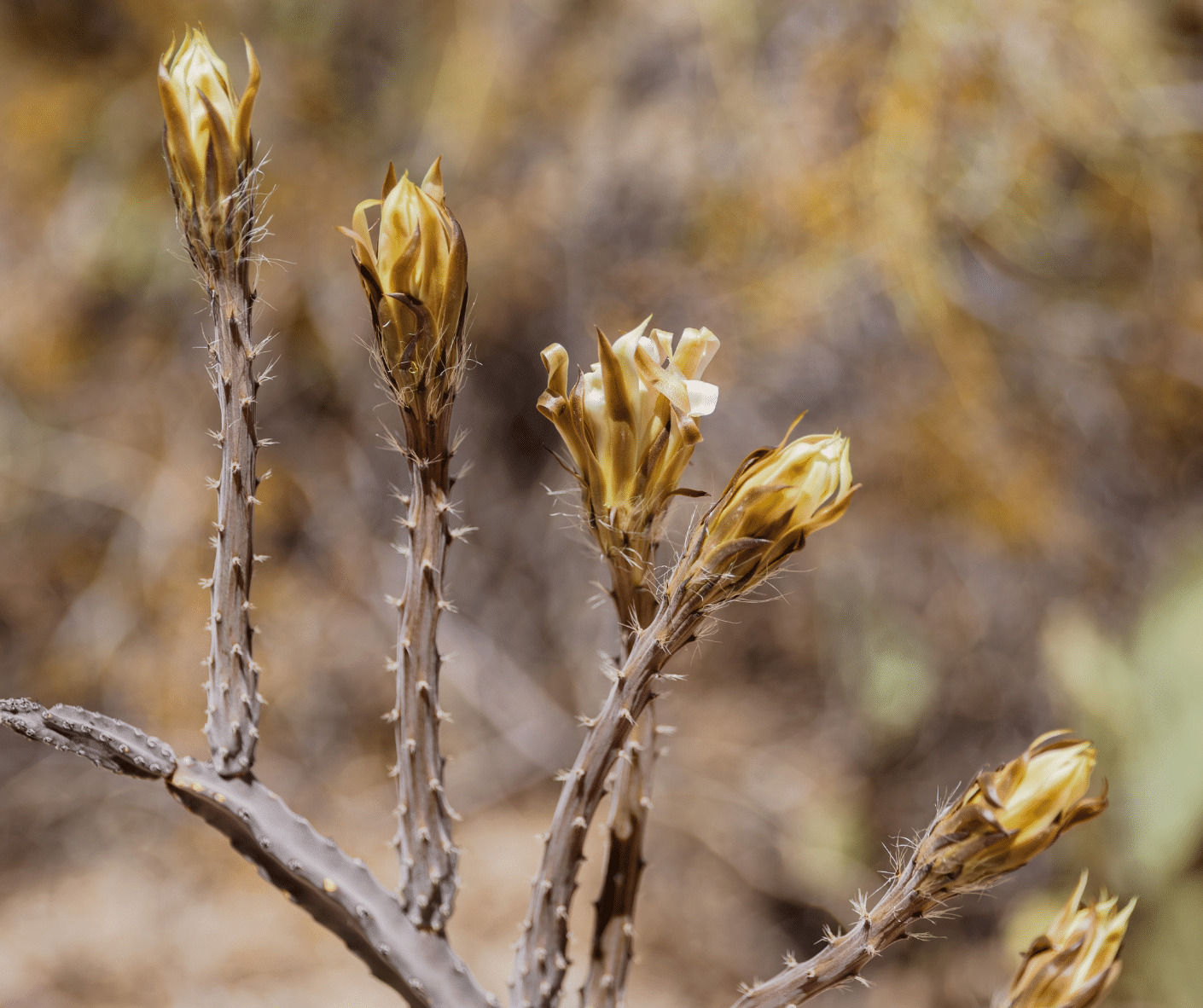
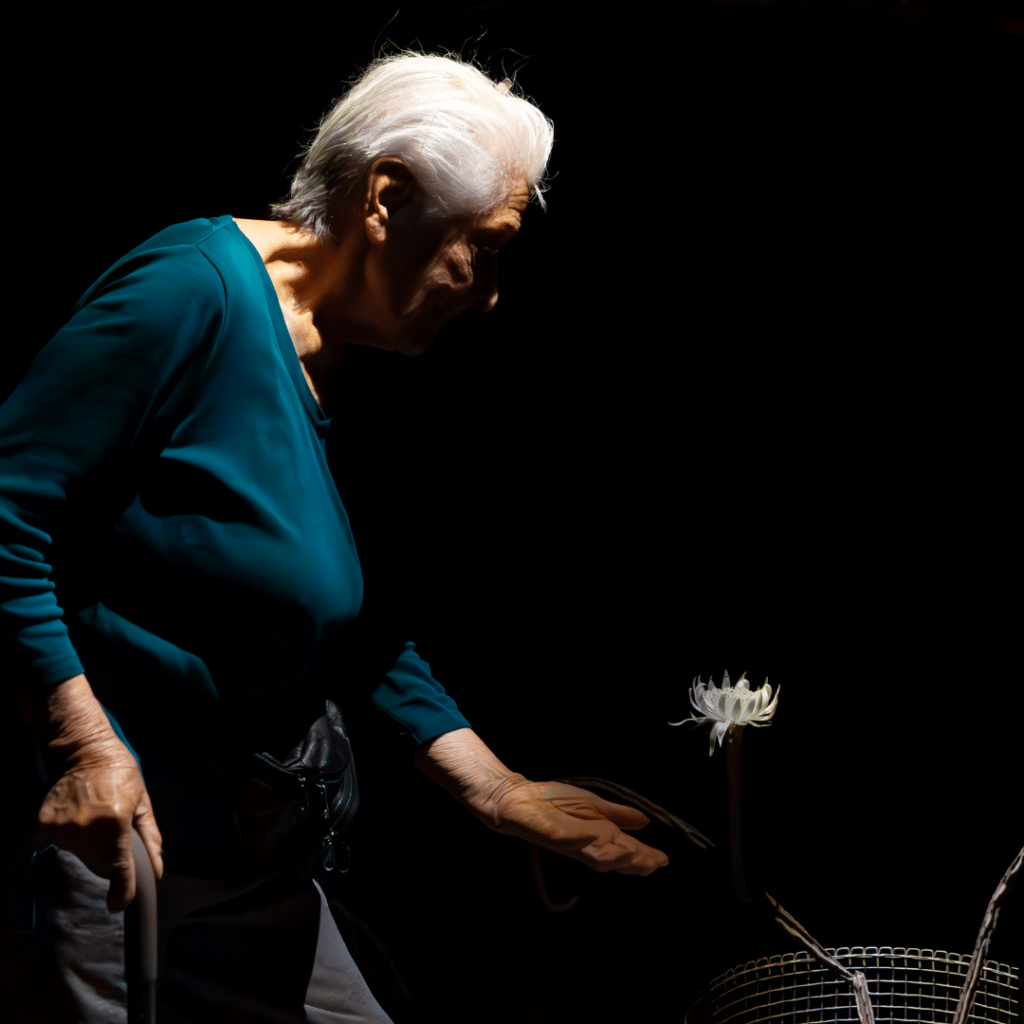
This morning, the gardens team was greeted by a surprise: our Queen of the Night cacti are ready to bloom TONIGHT, Monday, June 9, 2025.

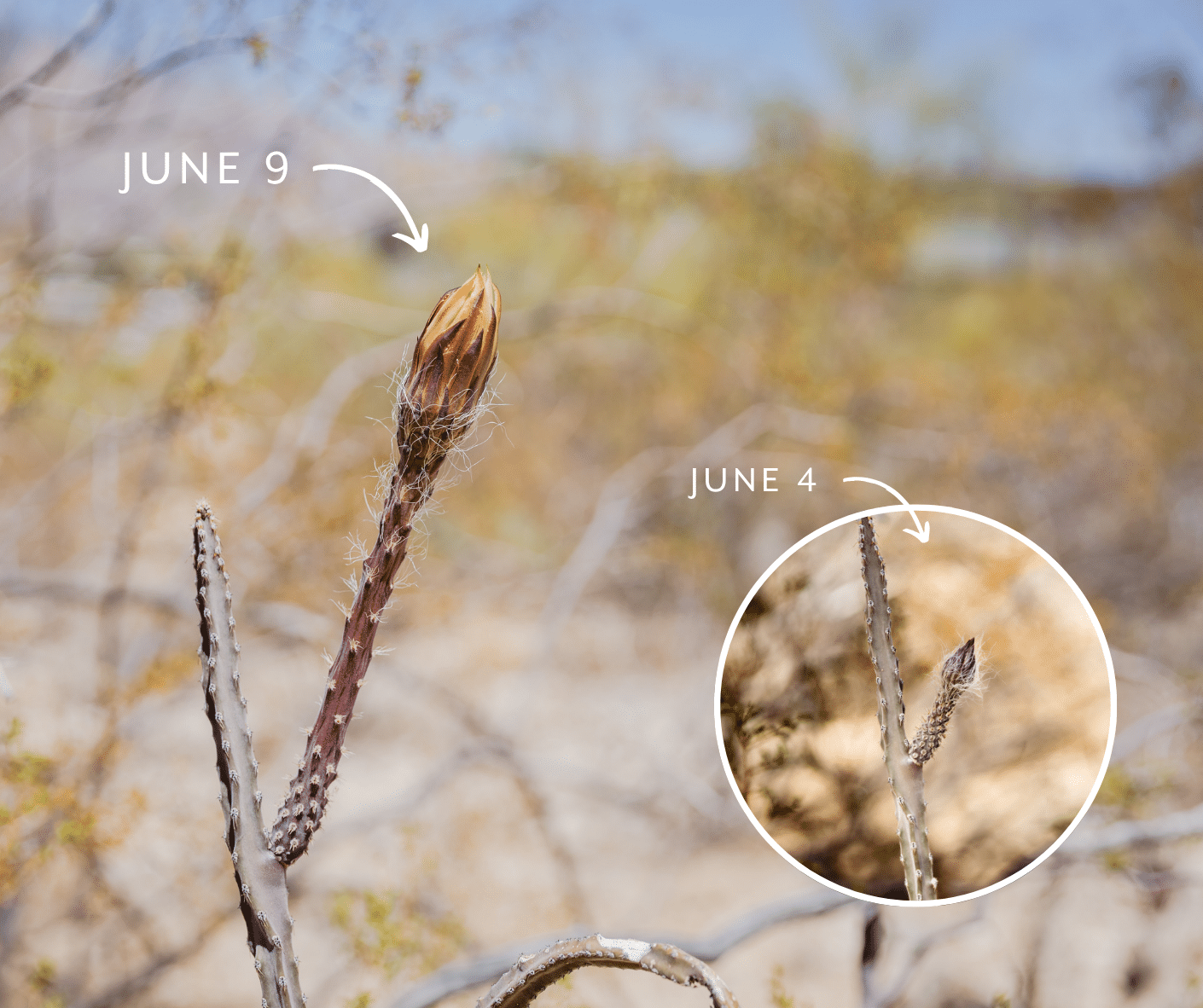
The first Bloom Watch update was shared just last week, but a rainstorm at the end of May triggered a dramatic growth spurt. Much of that growth happened over the weekend, with some buds putting on as much as 80 millimeters in just a few days. The result? A magical, moonlit show—happening tonight.

Join us for Bloom Night tonight, Monday, June 9, from 7 to 11 PM for a members-only celebration of the elusive Peniocereus greggii, also known as the Night-Blooming Cereus or Queen of the Night. Tohono Chul is home to one of the largest private collections of this remarkable cactus, making it one of the best places in the world to experience this once-a-year spectacle.

Stroll the luminaria-lit Desert View Trail, sip a drink from the Garden Bistro’s cash bar, and explore the Queen of the Night art exhibit in the Exhibit House. At 8:00 PM, Gardens & Facilities Manager Jack Dash will give a talk in the gallery, followed by a second talk at 9:30 PM at the start of the Desert View Trail for those curious about the plant’s unique ecology and bloom behavior.

For those who prefer a quieter moment with the Queen, Tohono Chul will reopen early at 6 AM tomorrow morning (Tuesday, June 10) for a final look before the blossoms fade in the morning light. This early viewing is open to the public with general admission.

Not a member yet? You can join online or at the gate this evening. Don’t miss this rare opportunity to witness one of the Sonoran Desert’s most enchanting natural events—one night only, at Tohono Chul.


Members Exclusive

Bloom Night is an exclusive members-only event. Your support helps preserve the Desert View Trail and our Peniocereus greggii collection while we work to ensure the proper pollination and delicate nature of these special plants.

Don’t miss out—become a member today and unlock a year of perks and benefits at Tohono Chul, including early access to plant sales, discounts, free daily admission, reciprocal admissions at other public gardens, and much more.


Support Bloom Night’s Future

Each Queen of the Night bloom is a moment of wonder. We’re working to double our collection so more people can experience this magical moment. Your support will help us reach our $5,000 goal to care for seedlings, expand our plantings, and continue our research. Please consider making a gift today!

A Note from President/CEO, Jamie Maslyn Larson

Friends of Tohono Chul,

Forty years ago, Dick and Jean Wilson looked out at a quiet patch of desert and saw something more. They saw a place where people could feel connected to the land, to the culture, and to one another. That vision became Tohono Chul. What started as an act of preservation has grown into something deeply meaningful to the hundreds of thousands of people who, for over forty years, have walked the trails, admired art, sat beneath the trees, and returned again and again to find a sense of belonging.

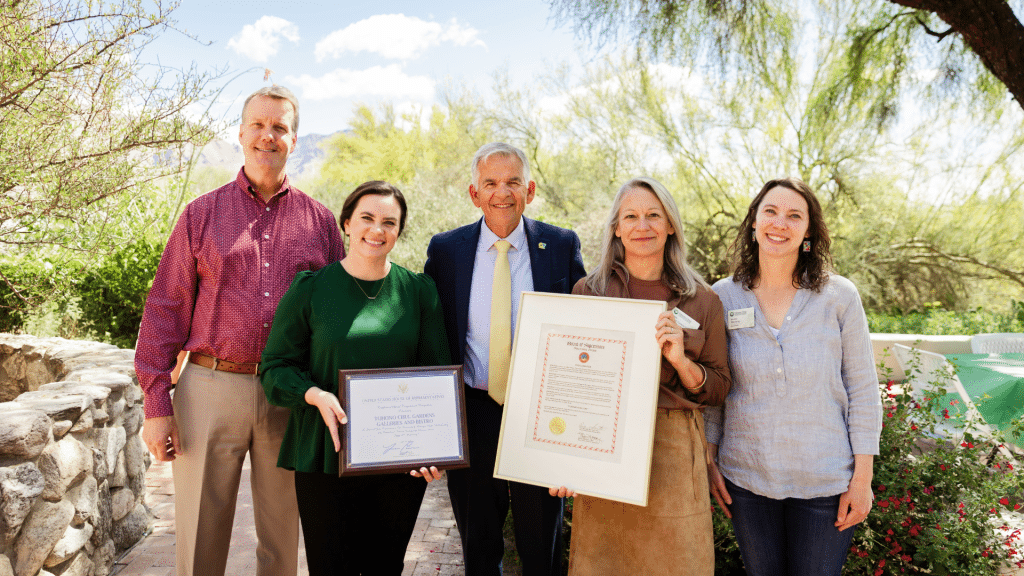
On April 19th, we gathered to celebrate Tohono Chul’s 40th anniversary. It was a moment of reflection and gratitude—an opportunity to honor all who have contributed to this special place across the decades. To mark the occasion, Pima County and the Town of Oro Valley proclaimed April 19th as Tohono Chul Day, recognizing our enduring role in the life of this community.

April 19th Declared "Tohono Chul Day" By Town Of Oro Valley
Pictured left to right: Rex Scott (Pima County Supervisor), Becky Freeman (Chief of Staff for Congressman Juan Ciscomani), Joe Winfield (Mayor of Oro Valley), Jamie Maslyn Larson (Tohono Chul President & CEO), and Koren Manning (Tohono Chul Board Chair) at Tohono Chul’s 40th Anniversary Celebration.

Tohono Chul has always been more than a garden. It’s a space shaped by love for the plants we nurture, the stories we share, the culture we showcase, and the conversations we hold. Visitors come for many reasons. What unites us is the sense of peace, wonder, and connection that this place makes possible.

I’ve spent my career designing public spaces, but there’s something different about Tohono Chul. It’s not just the beauty of the desert—it’s how people feel when they’re here. I see it all the time. A child chasing a lizard down a path, an older couple sitting quietly in the garden, soaking in the warmth and stillness. These aren’t grand moments, but they stay with you. That’s what makes our garden special.

That spirit of place is what guides us as we grow. In March 2025, Tohono Chul became an accredited arboretum and botanical garden. This national recognition reflects our deepening commitment to stewardship and education, and it also invites us to think boldly about the future.

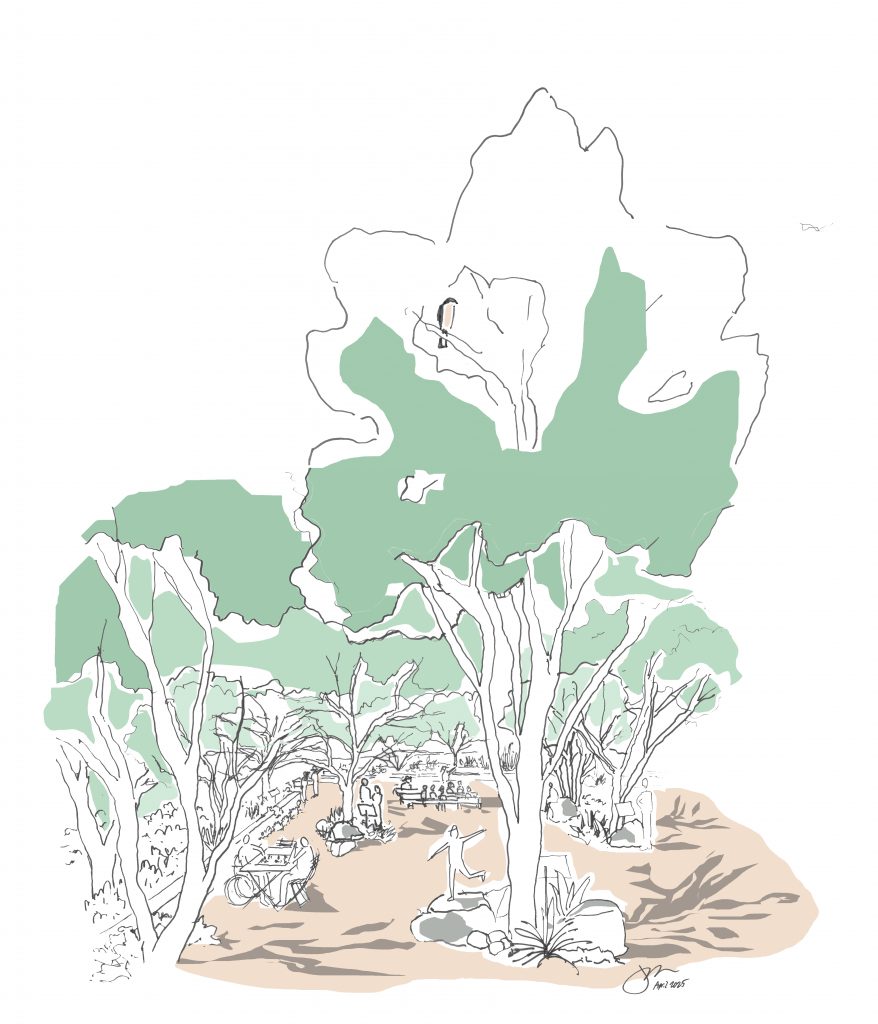
One way we’re stepping into the future is through the creation of the Adaptive Arboretum Garden—a garden that will showcase native trees chosen not only for their beauty, but for their ability to thrive in the face of change. It will also serve as a living classroom, where guided tours and hands-on workshops help people across our city learn how to plant and care for trees in their own neighborhoods. Thanks to the incredible generosity of supporters like you, we’ve raised $63,000 to bring this new space to life. It’s a thoughtful response to the challenges ahead and a path toward a cooler, greener future for our desert home.

So, as we celebrate this milestone year, I want to thank you for being part of this story. For helping us protect, nurture, and share something special. Because of you, Tohono Chul continues to grow—not just as a garden, but as a community rooted in care and possibility.

Artistic rendering of the Adaptive Arboretum Garden by Jamie Maslyn Larson, FASLA.

Jamie Maslyn Larson
President & CEO
jamie@tohonochul.org