Bloom Watch #4

Rebel Flower

Are you serious?! Oh, it’s cereus all right!

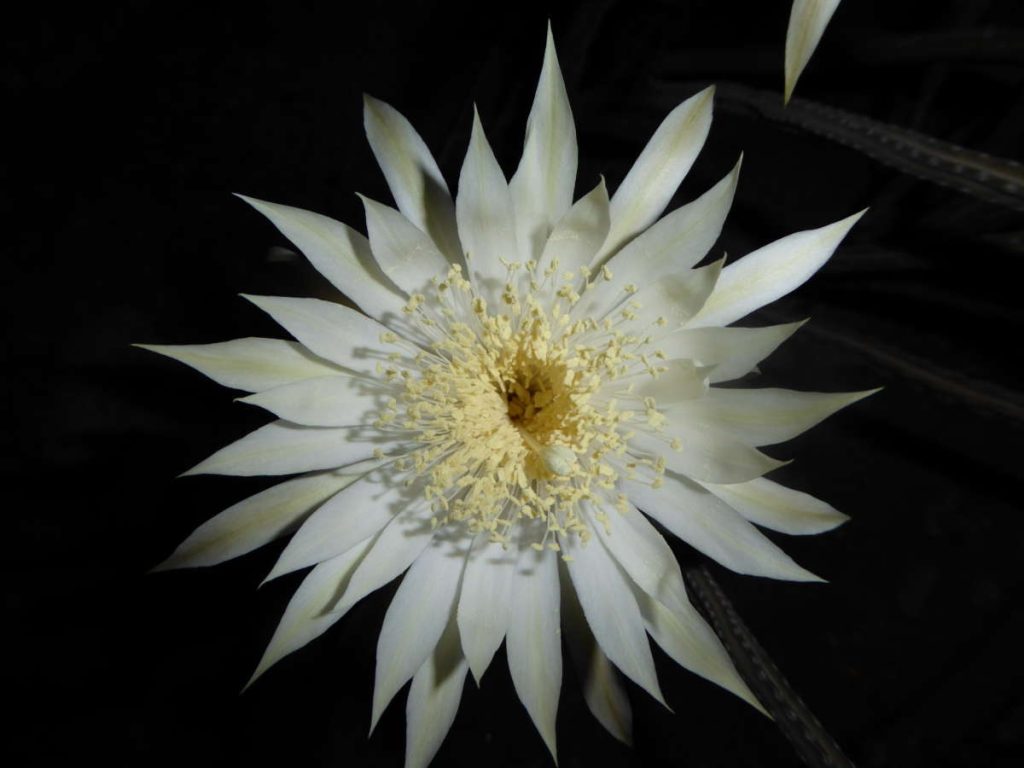
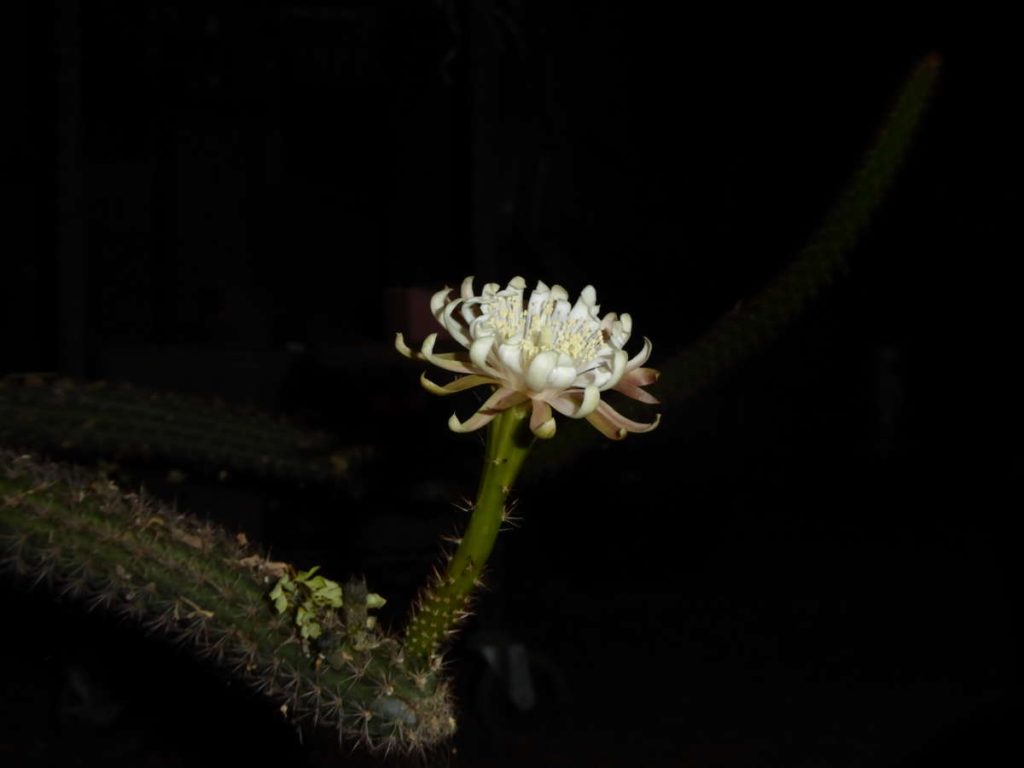
Gardens Manager, Chris Kibler, was taken aback with astonishment this morning when he discovered that one of the Peniocereus greggii had rapidly grown overnight, reaching its full bloom stage. Not to worry, the rest of the buds are on track to mass bloom in roughly 2-3 weeks. But as always, the unpredictable nature of these special plants is keeping us on our toes.
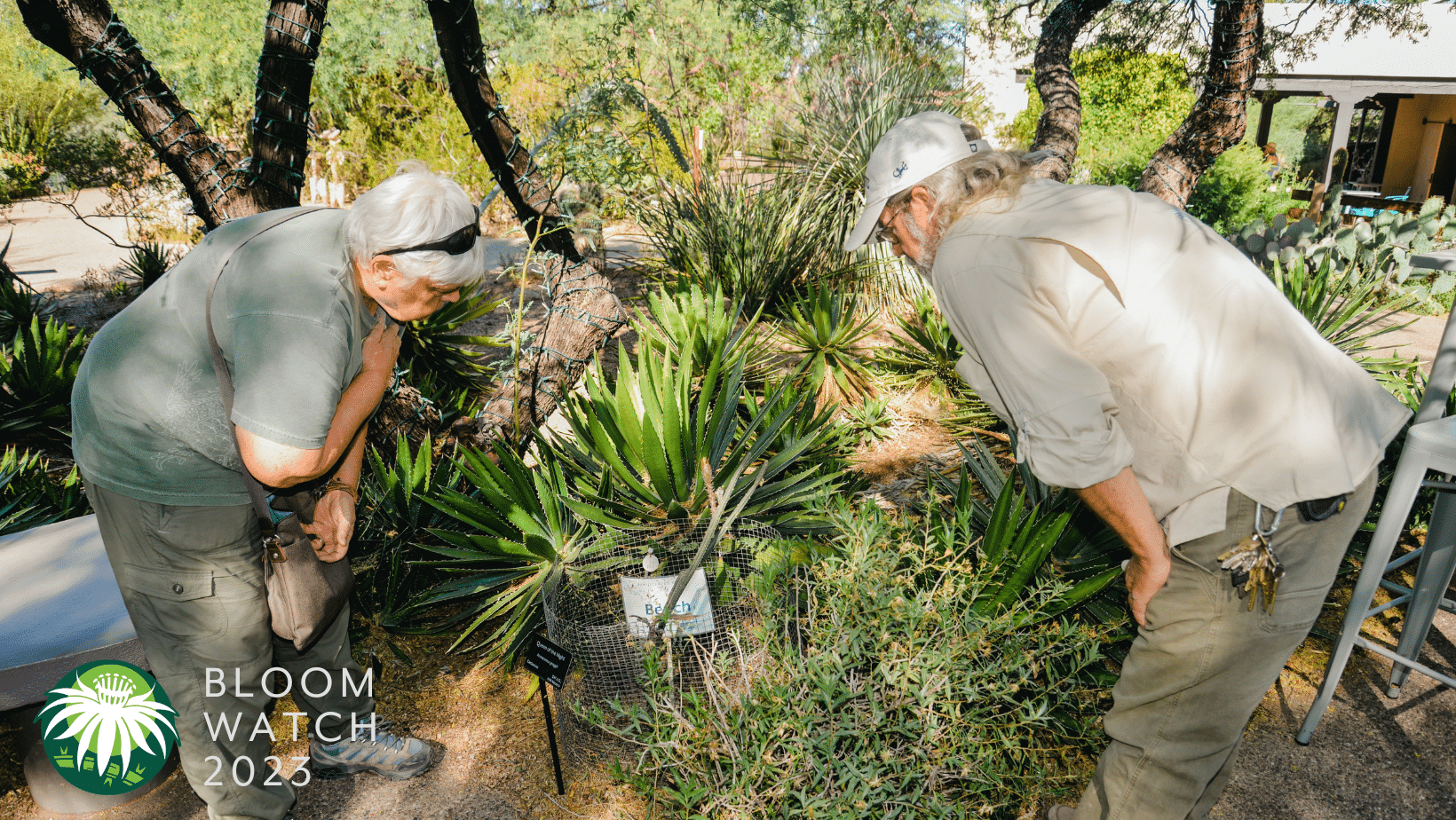
We’ve nicknamed this lone bud the “rebel flower” due to its unconventional blooming time compared to the other buds. This early bird bud stands as a symbol of unyielding resilience and individuality amidst the garden’s lush tapestry.

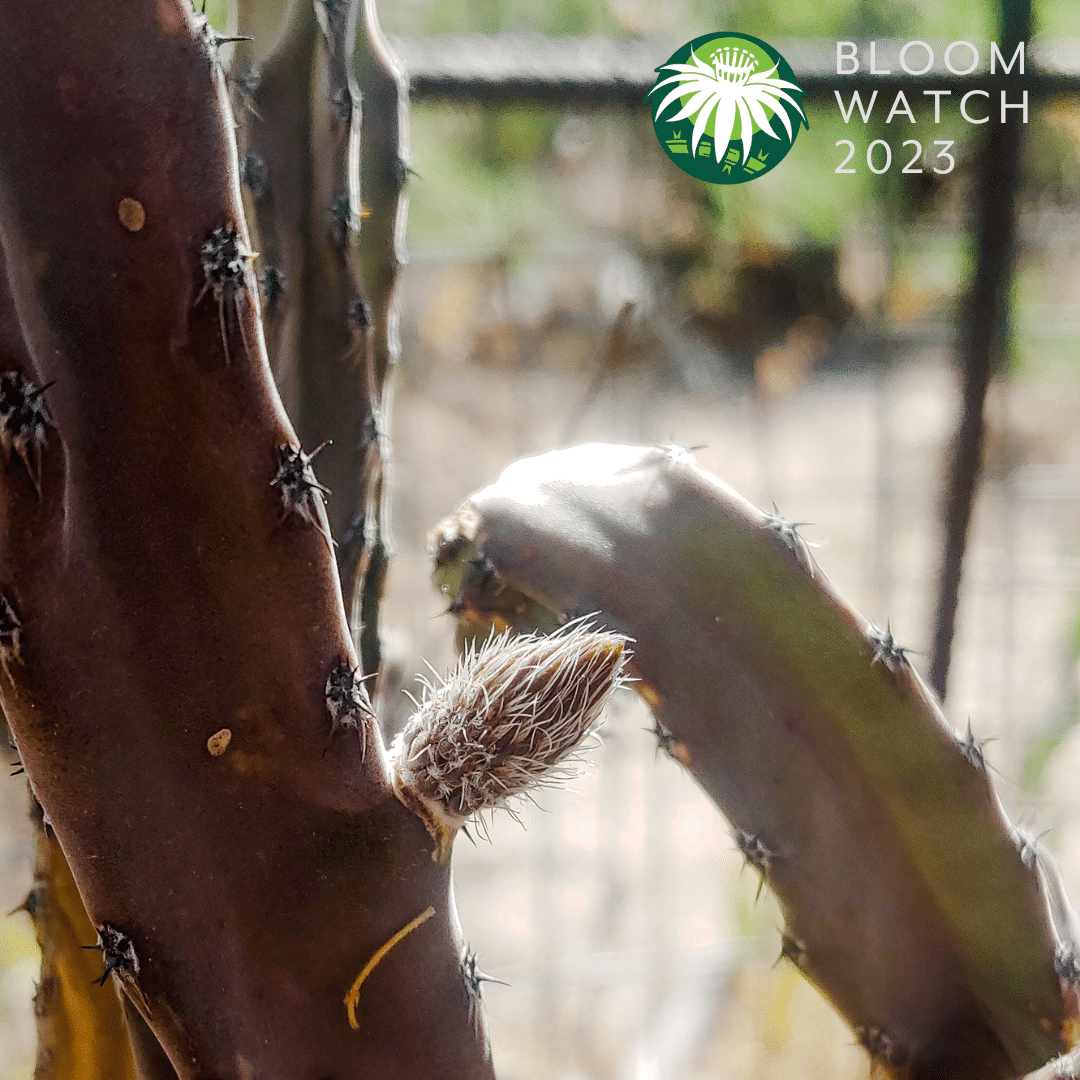
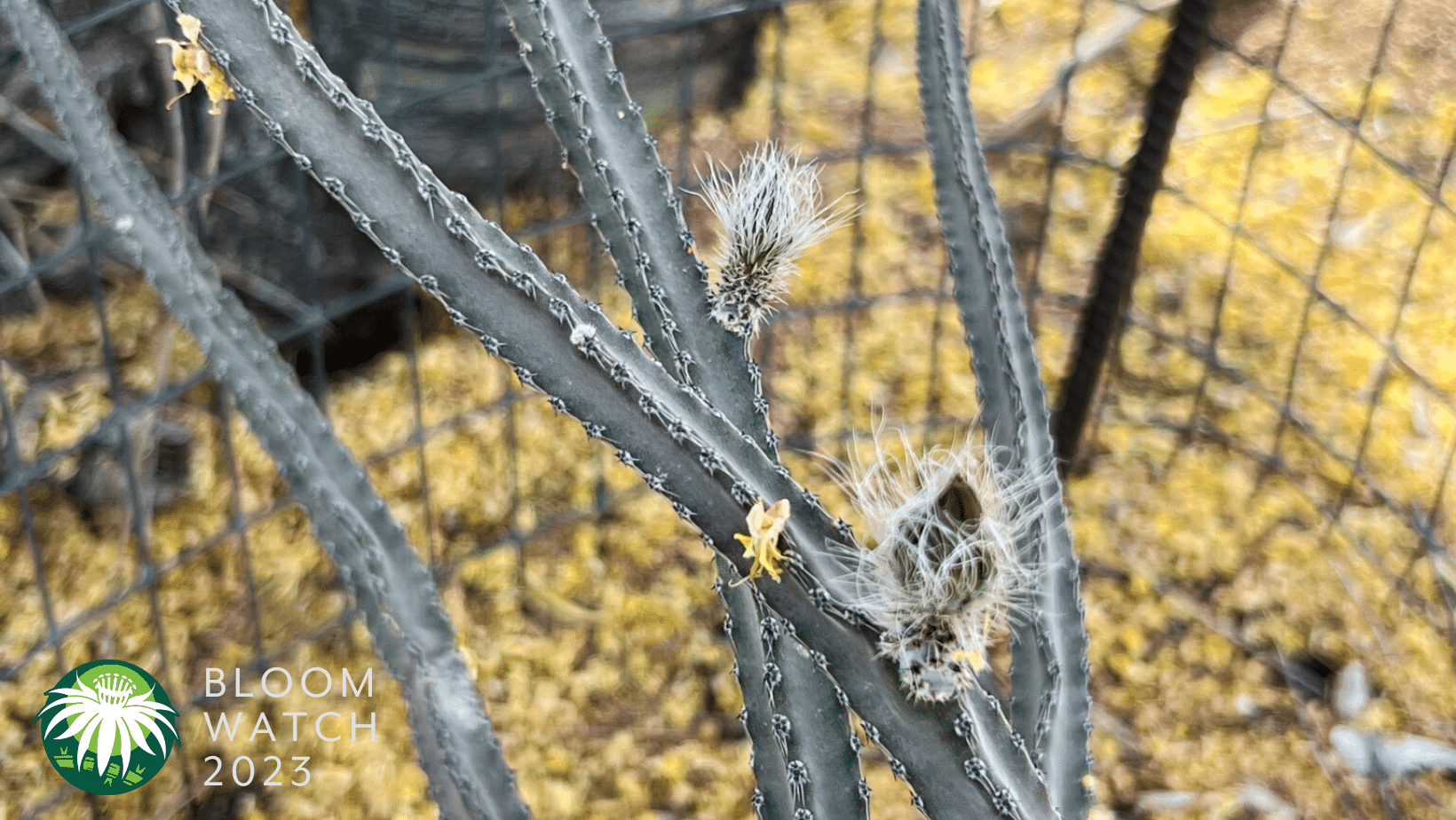
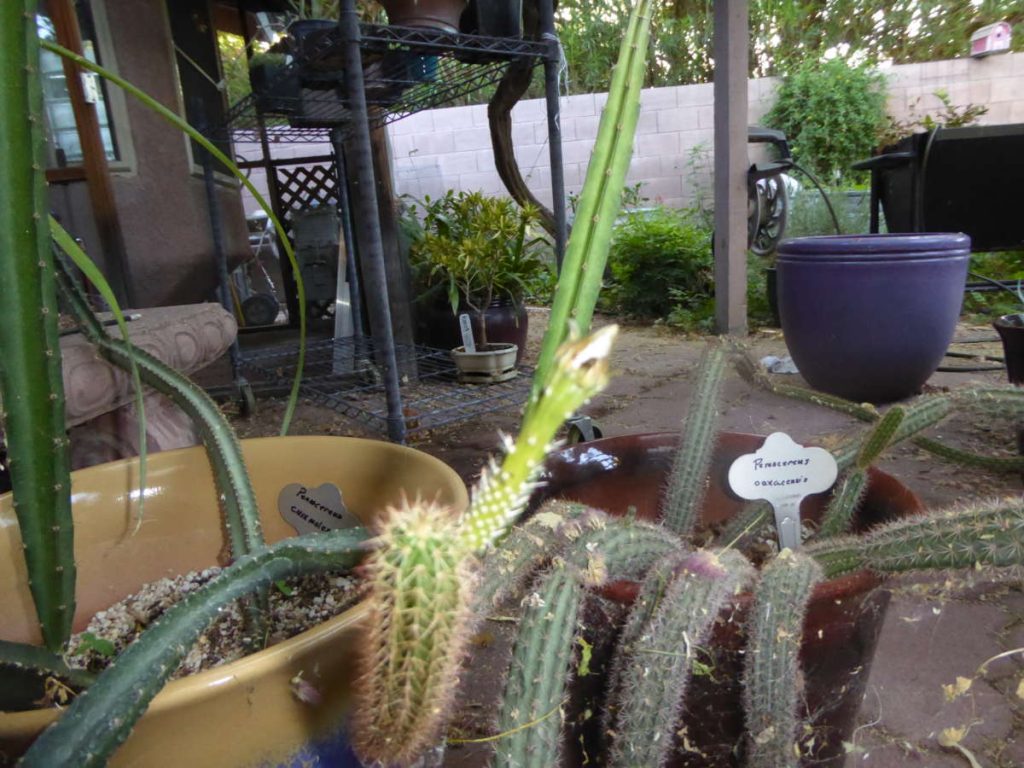
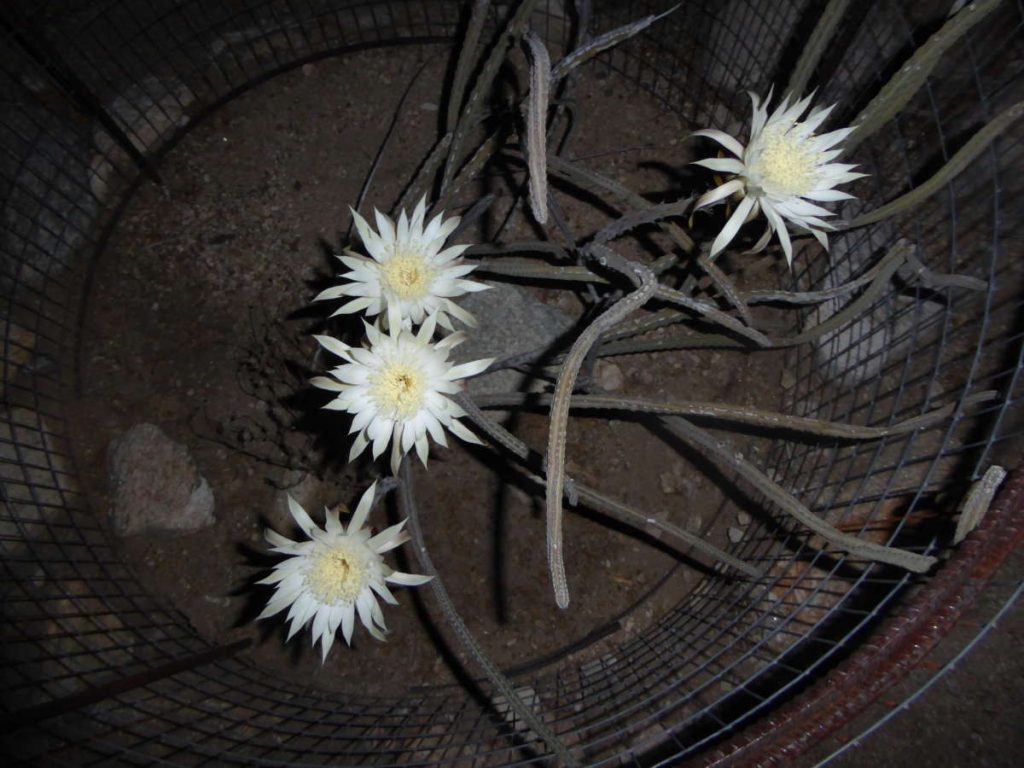
Having reached its max, this lone adventurer is ready to blossom this evening. Located by the Sundial Plaza, this bud has outgrown its neighbor as well as the other buds throughout Tohono Chul (in the image below, note the size difference between the two buds). The “rebel flower” will begin to open at dusk and will still be in bloom by sunrise Thursday morning. Be sure to take a look if you happen to be strolling through the gardens today or tomorrow.  
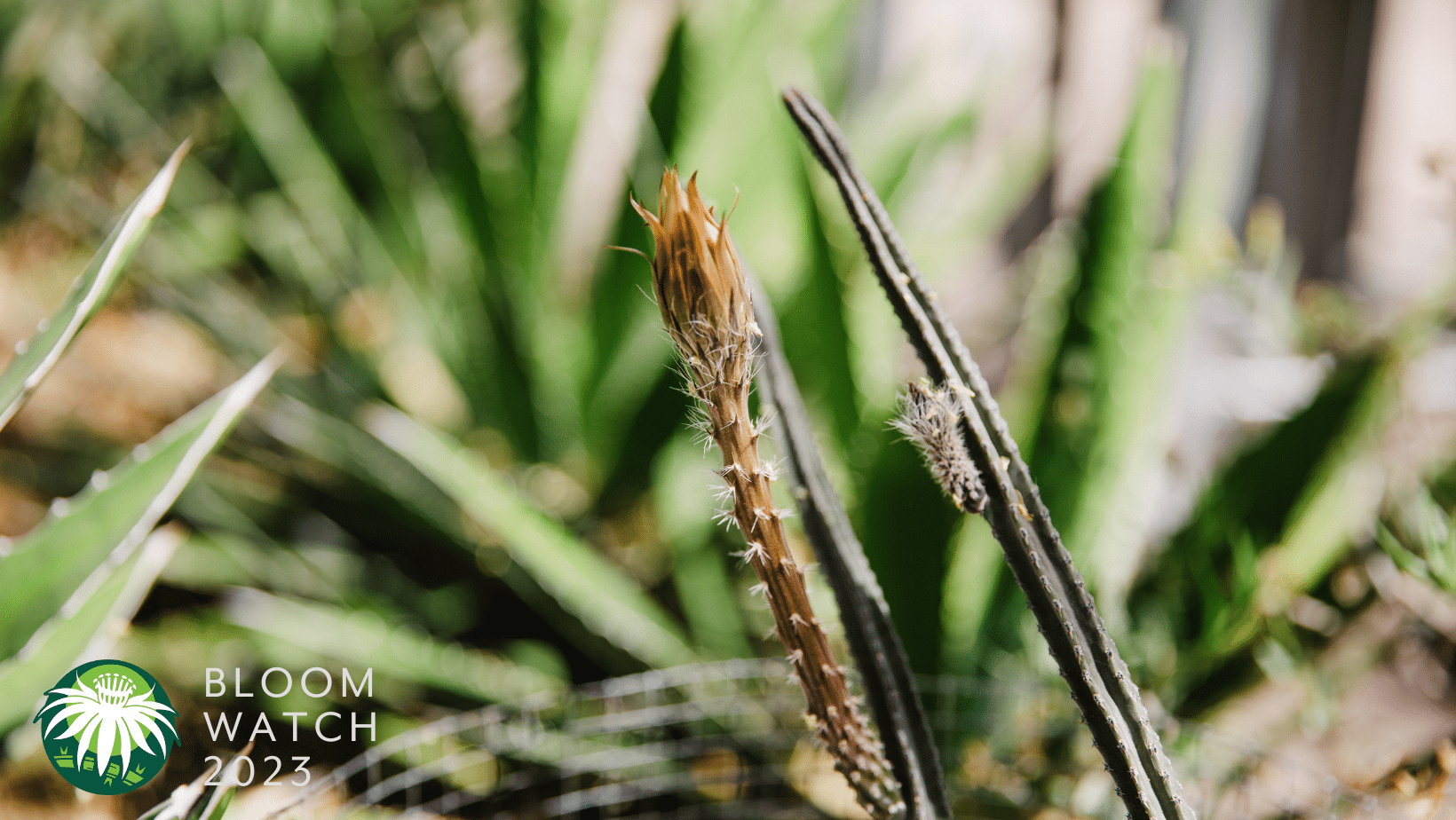
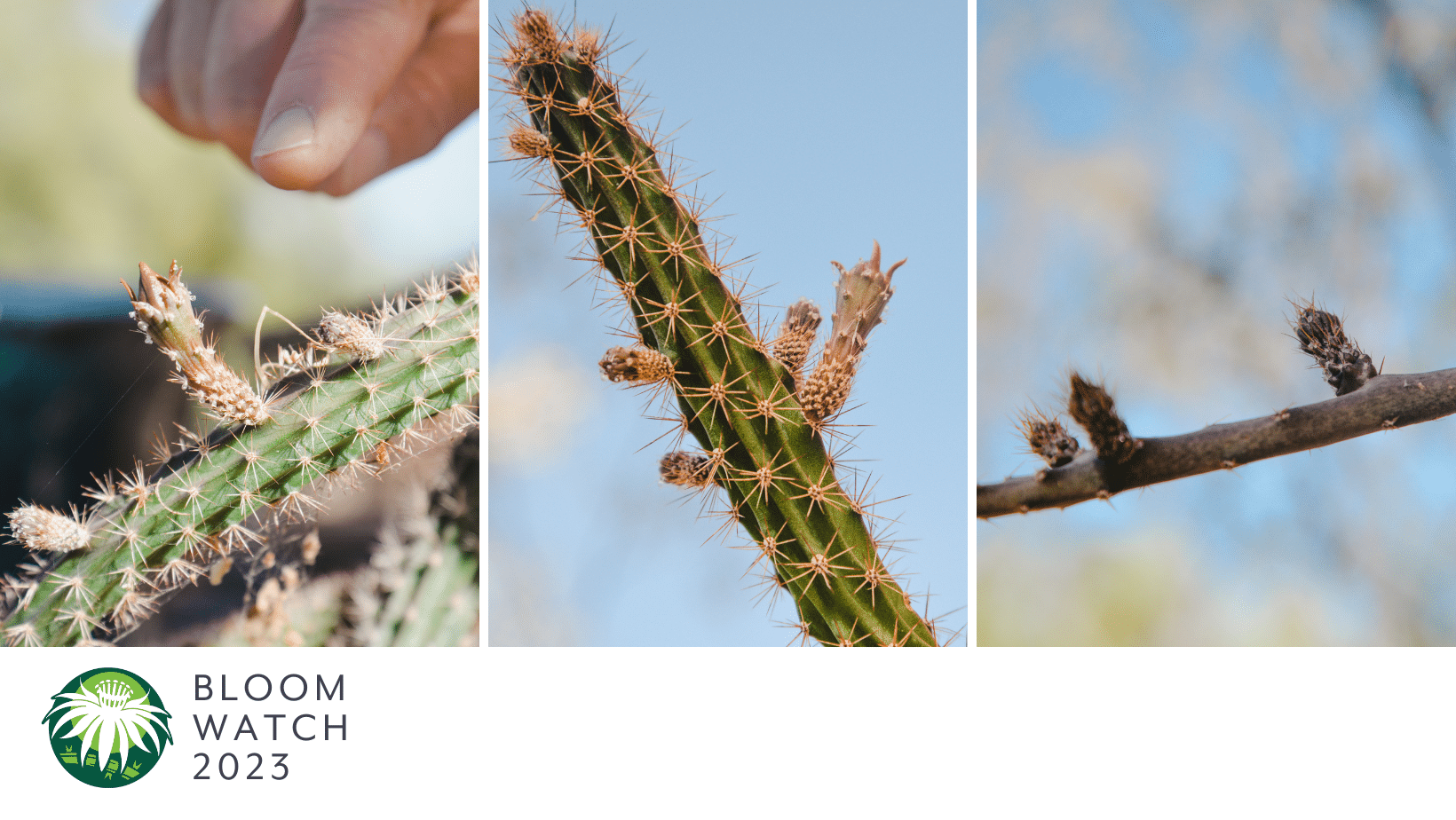
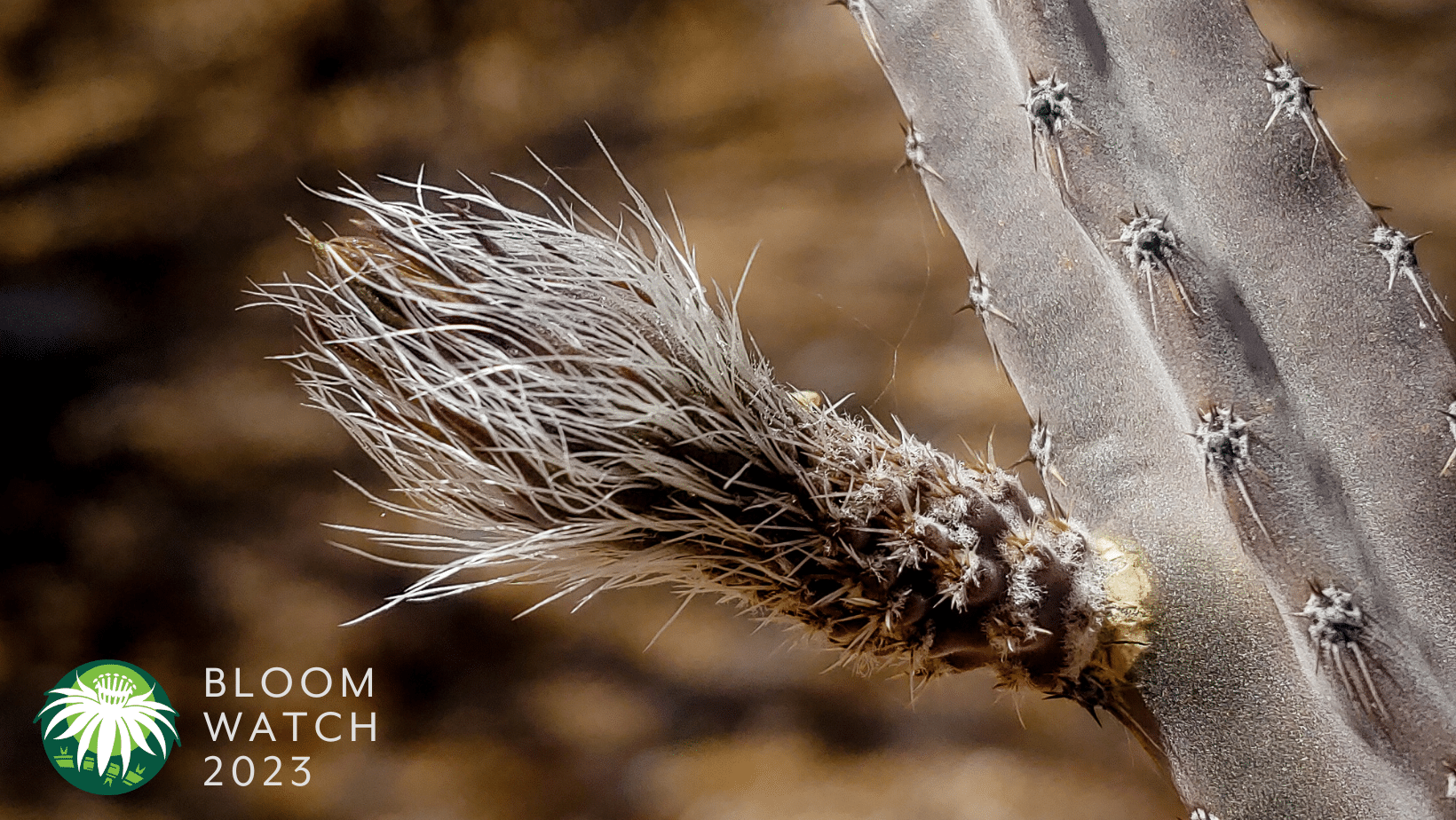
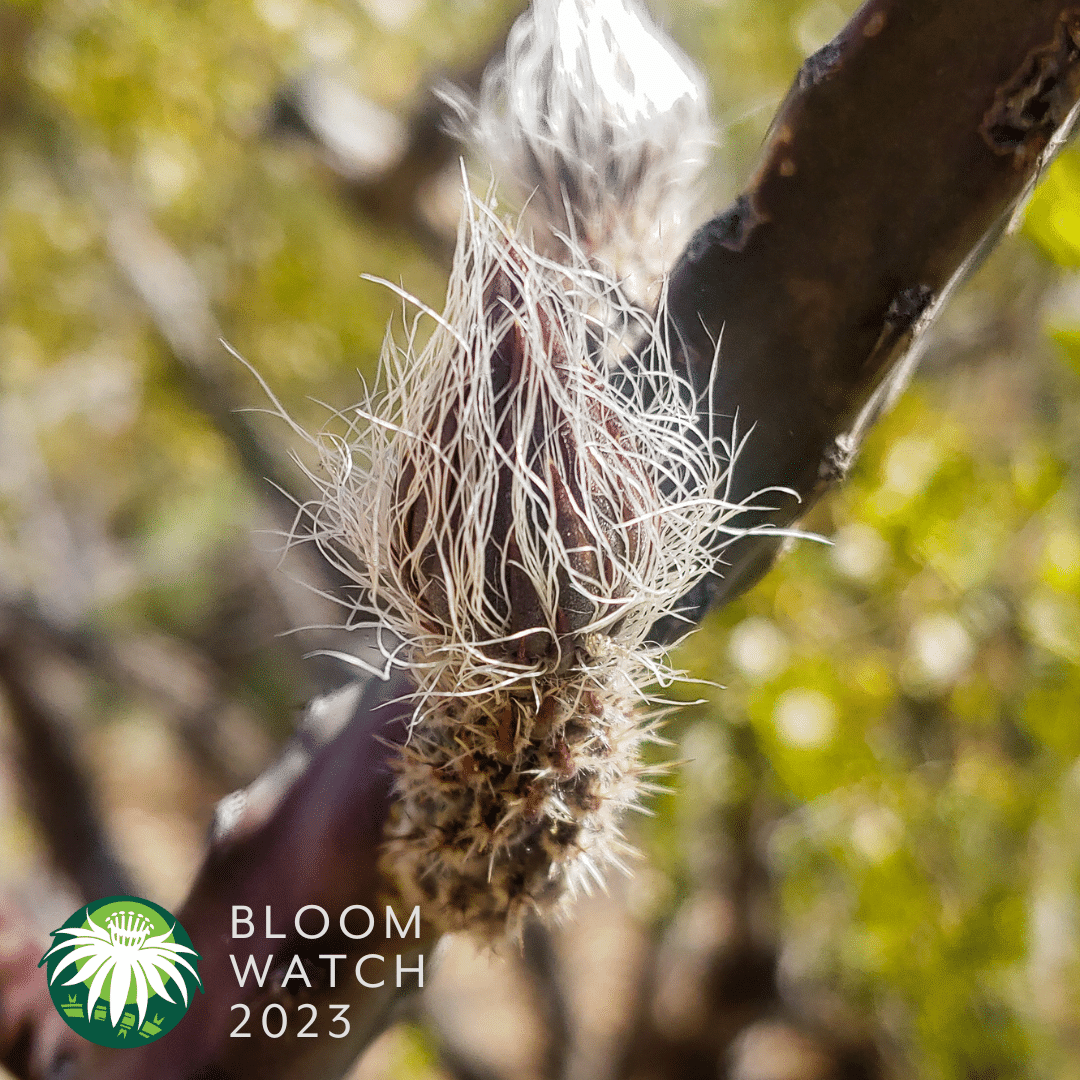
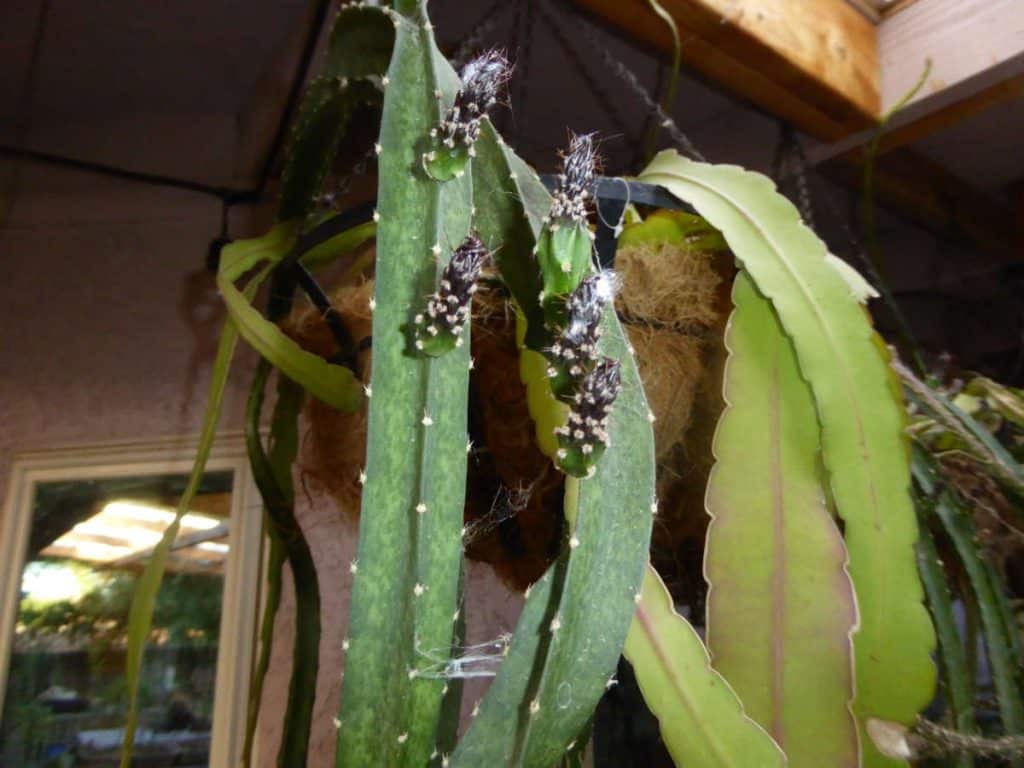
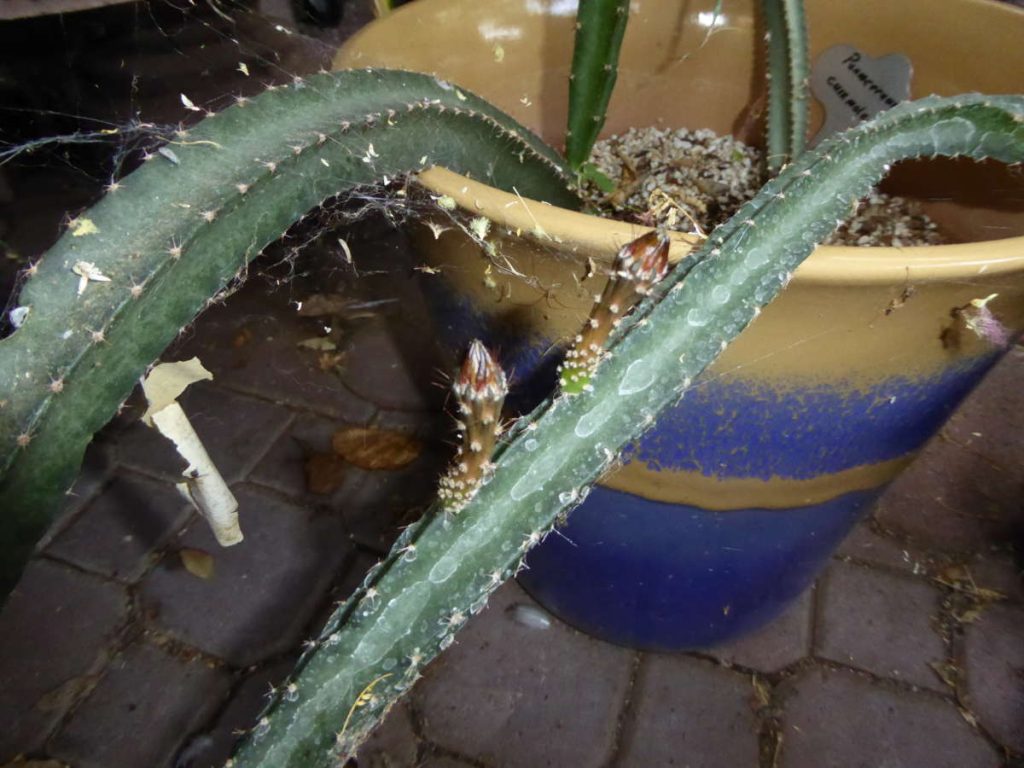
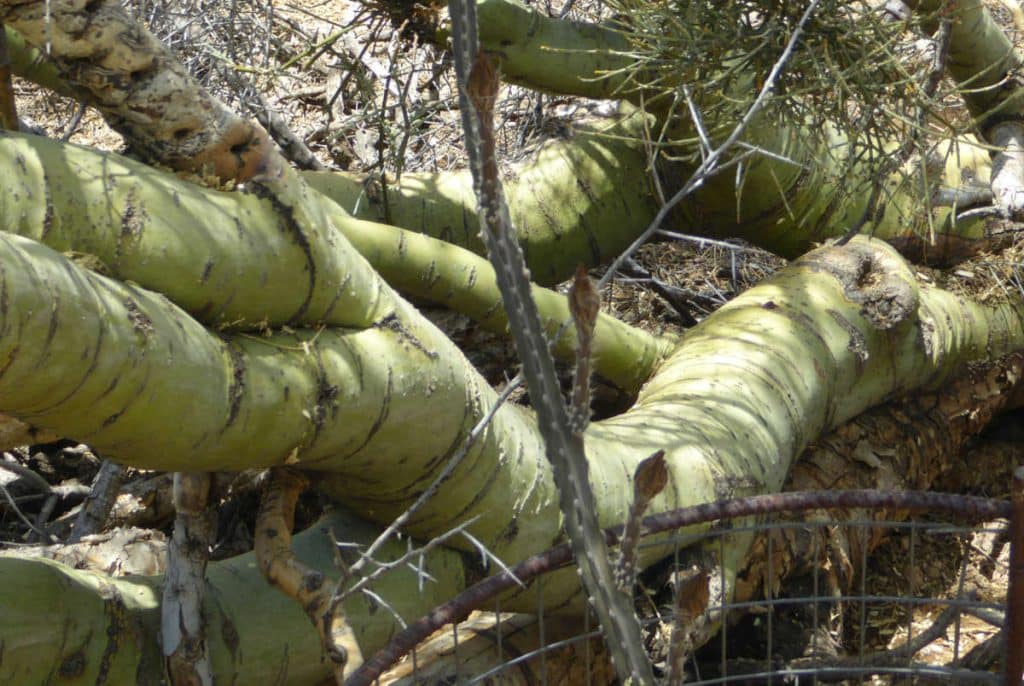
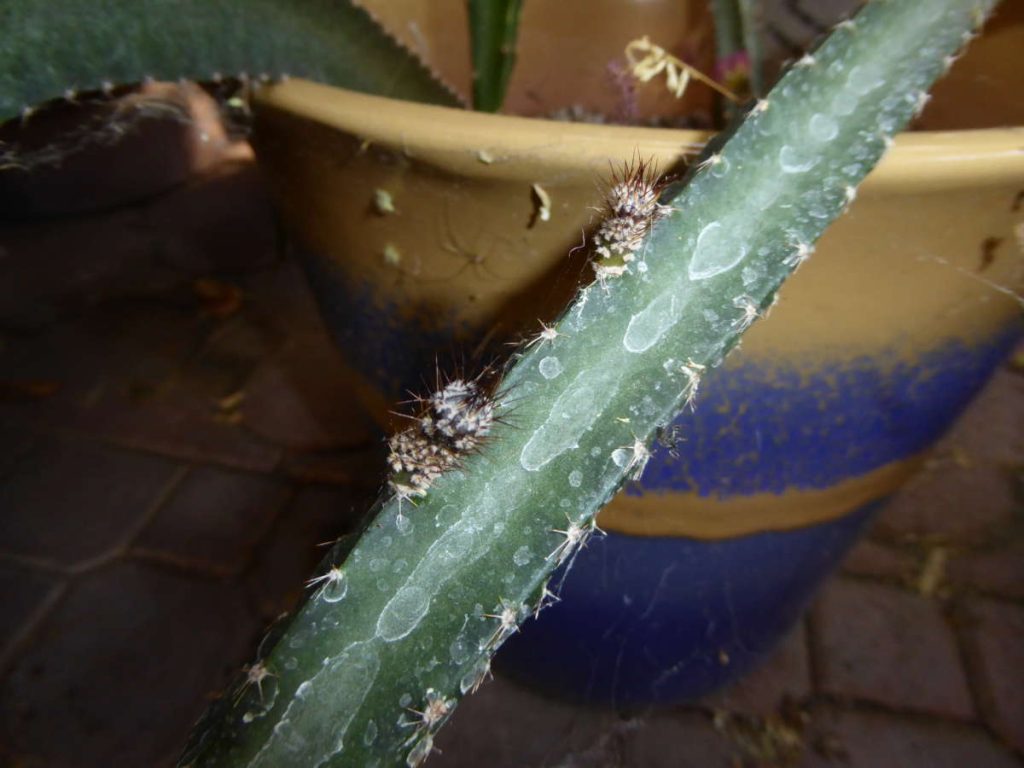
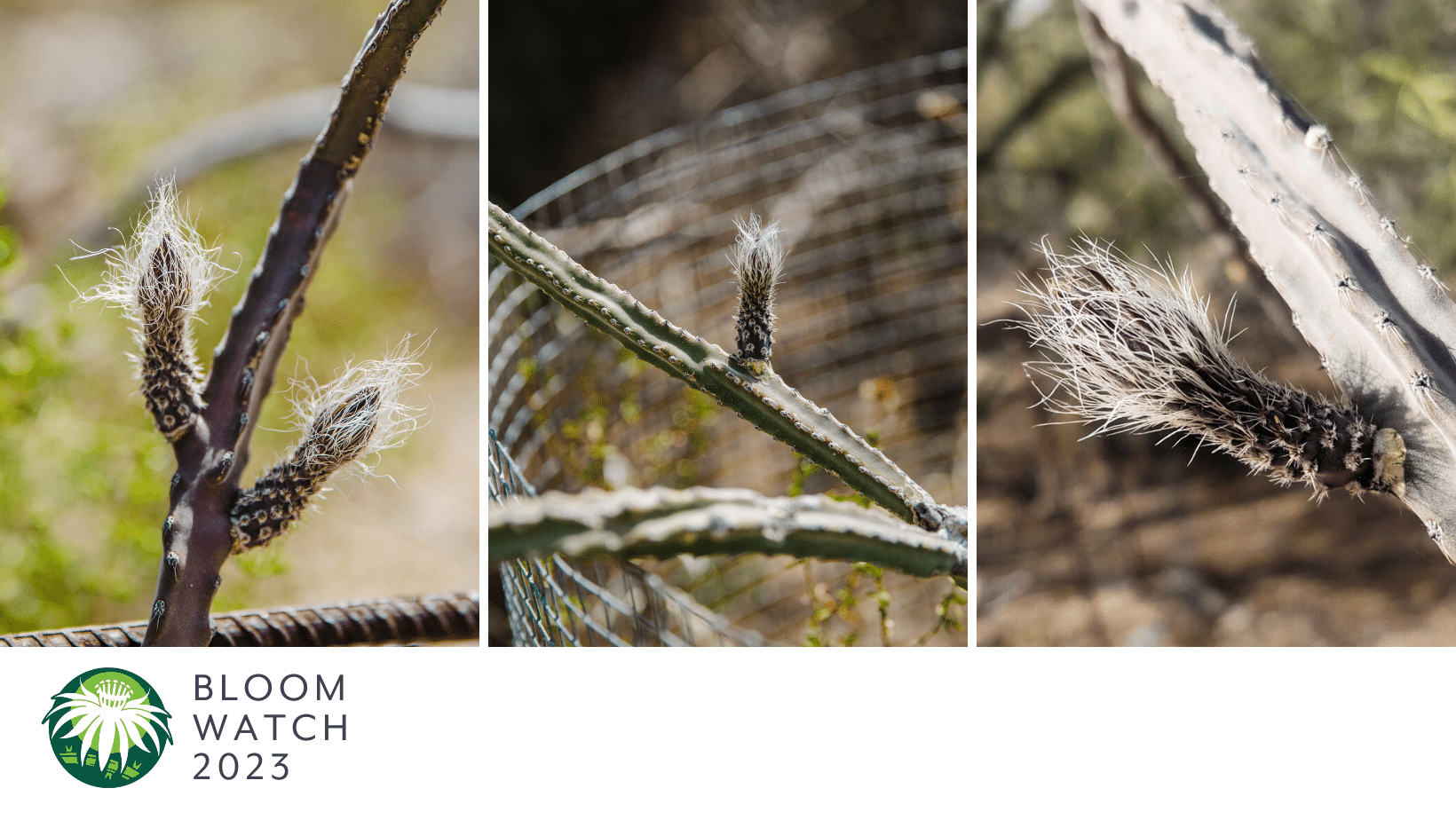
While the heat of summer and arid conditions have slowed down the other blooms, our dedicated gardening team is diligently watering them once per week, ensuring their vitality as they flourish into majestic Queens. Note their current sizes in the images below. As you can see, they have some growing to do!

Seeking Royal Seeds Update

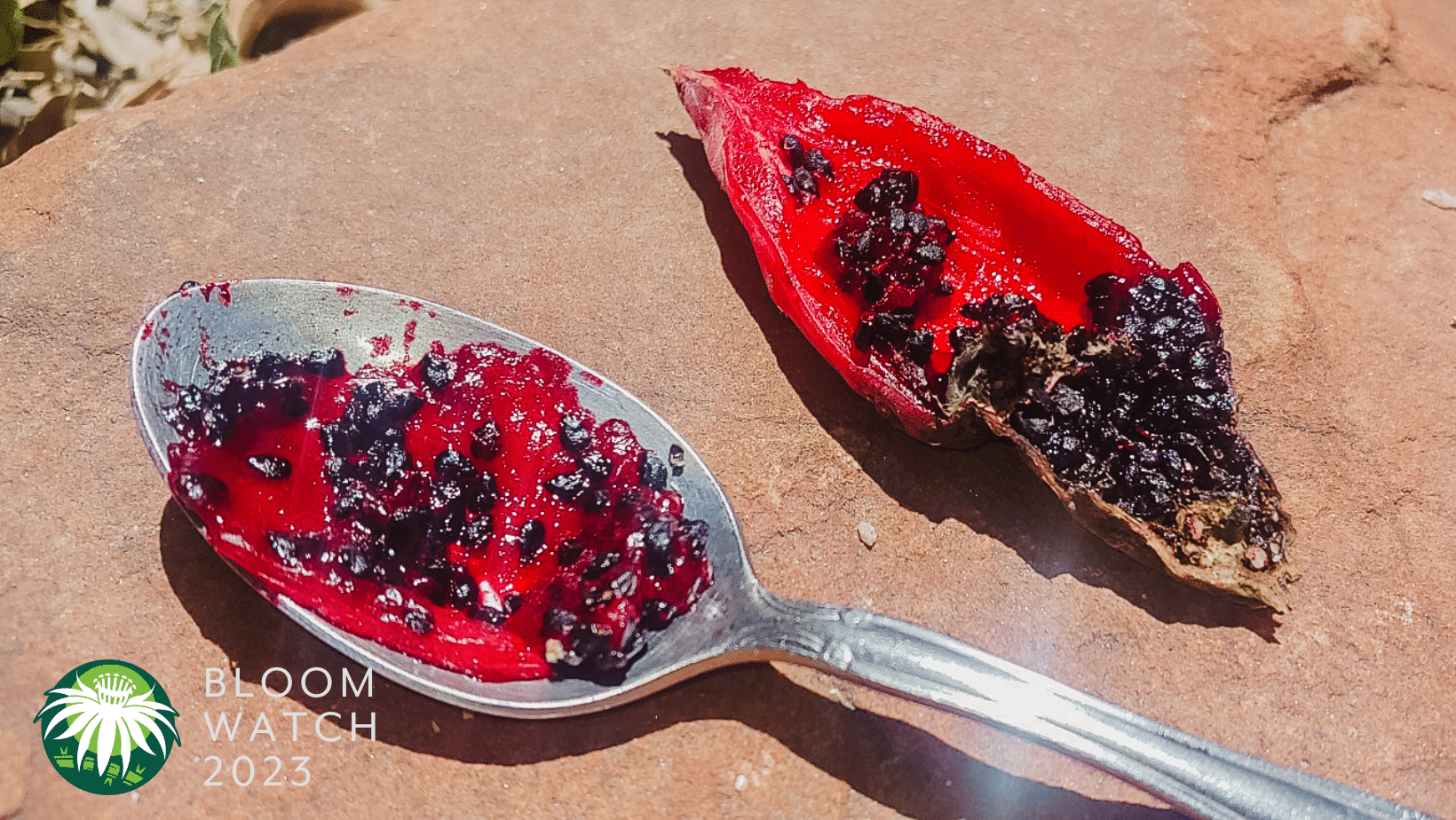
Last August we put the call out to the community asking for donations of ripe fruit from local Peniocereus greggii. Six different people brought us bags of this special fruit. They came from all around town, adding to the genetic diversity of our grow outs. To our amazement, we received thousands of fresh seeds. We want to say thank you! 
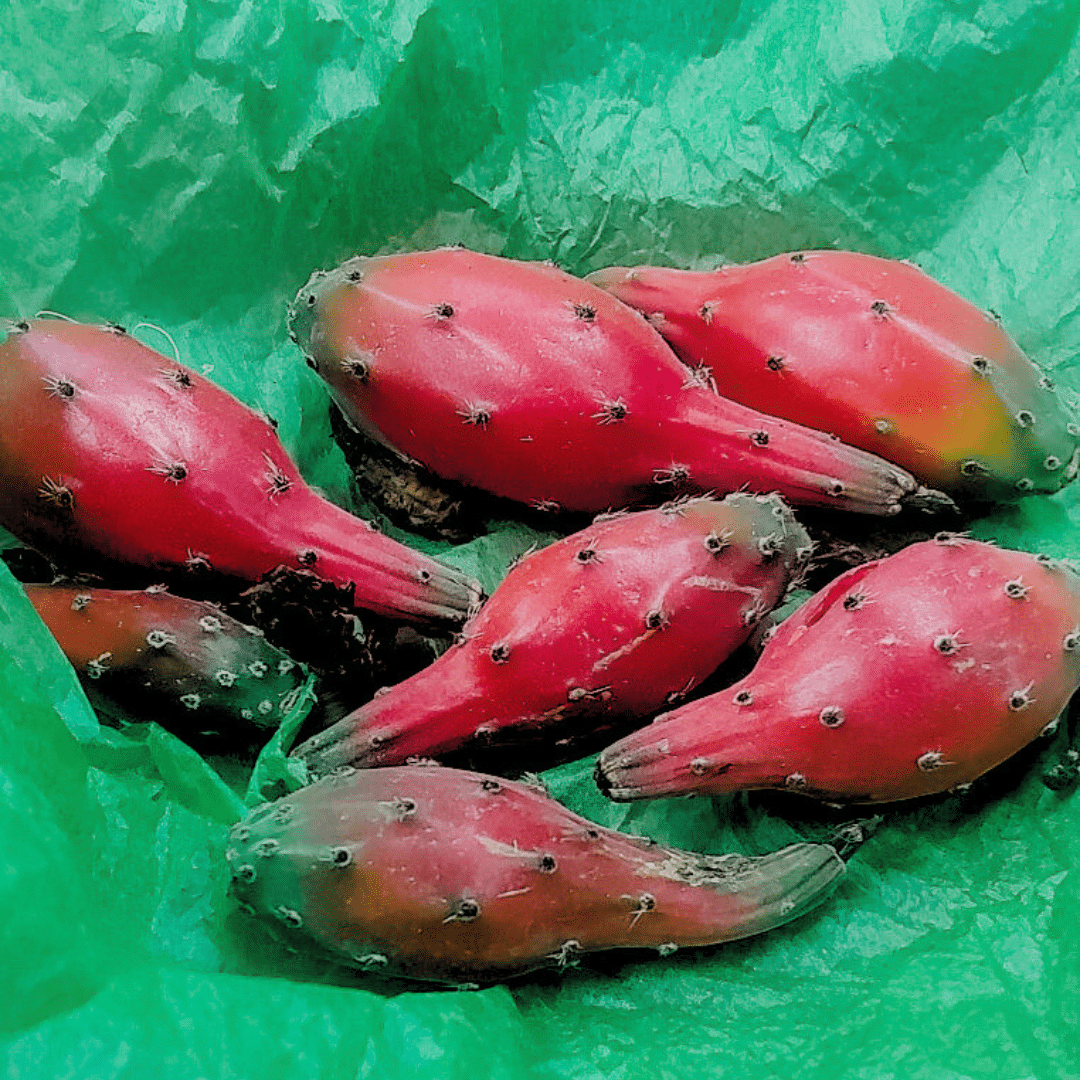
We are beginning to plant last fall’s donated seeds right now! On May 31st we planted the first batch of donated Peniocereus greggii seeds. We find that spring and summer are the best times to start our cactus seeds in the greenhouse. They like it warm! You can use a heater or plant them indoors by a window as well, but waiting till the warm season saves resources and can prevent overwatering that might cause cactus seeds to rot. 

We’re keeping seeds from each donor in separate seed packets and tracking which donated seeds we plant out. This way we may observe unique traits as they grow and potentially attribute them to where the seeds were collected. After a few years of nurturing, we’ll be able to provide them to Tohono Chul’s Gardens Team and offer them back to our community! 

By Tracey Till, Propagation Associate
Don’t miss the big night! Sign up for Bloom Watch emails here. Be sure you select “Bloom Watch” on the dropdown menu!

Bloom Watch #3

The Queen’s Court

On the Desert View Trail, the Peniocereus greggii flower buds are stalling growth as the dry heat of June arrives.

On the other side of the garden, the Queen’s Court is growing flower buds! Gardens Manager, Chris Kibler, says a few weeks ago they had no signs of buds and was pleasantly surprised this week. They were recently moved to a new, brighter location at the Overlook and are starting to put on good growth in response!

The Queen’s Court is comprised of several mature Penoicereus of various species that are native to regions of Mexico, Central America, and South America that showcase the diversity of the genus. We will be watching them closely over the next few weeks for blooms.


A Peek Behind the Scenes

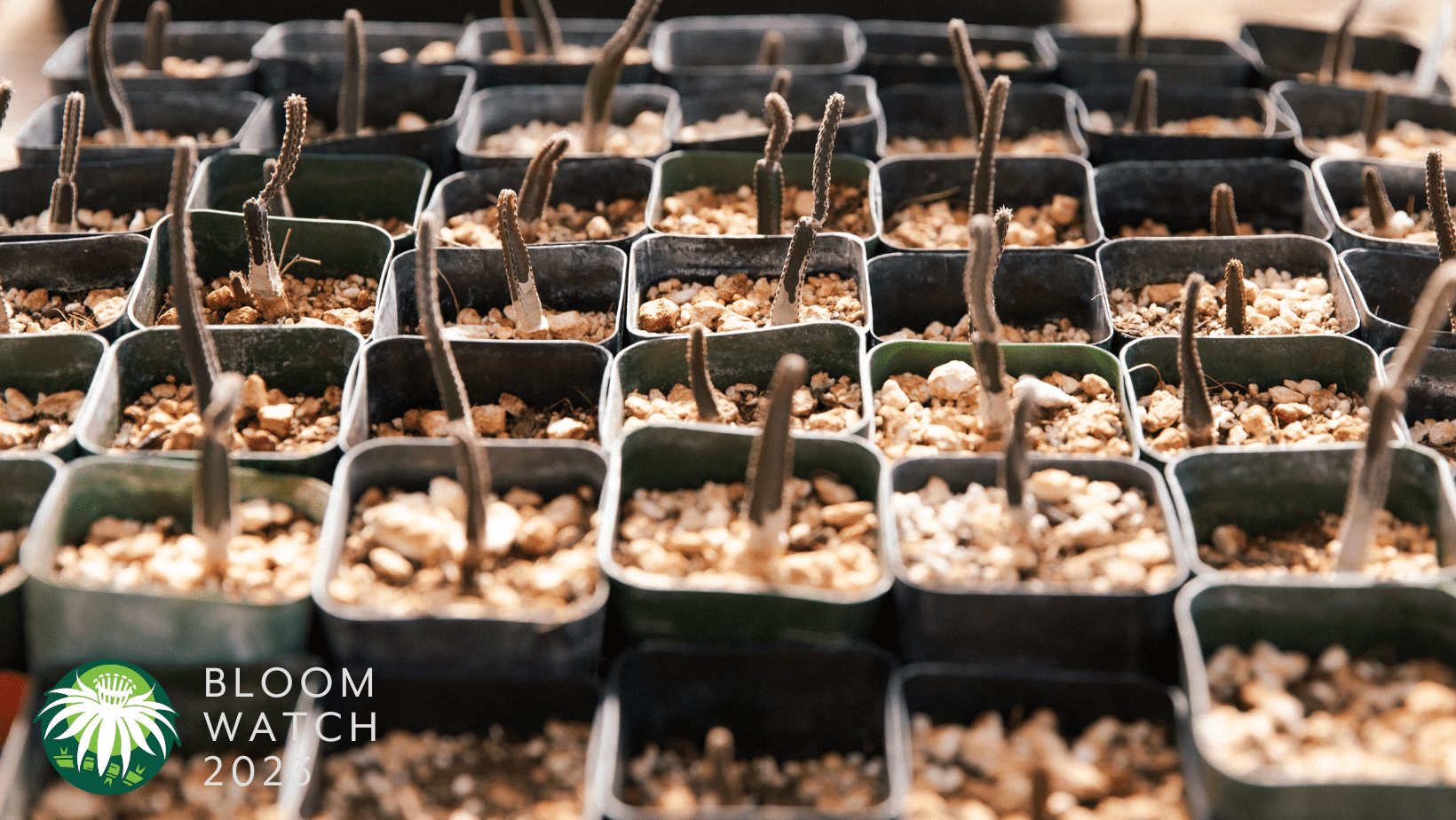
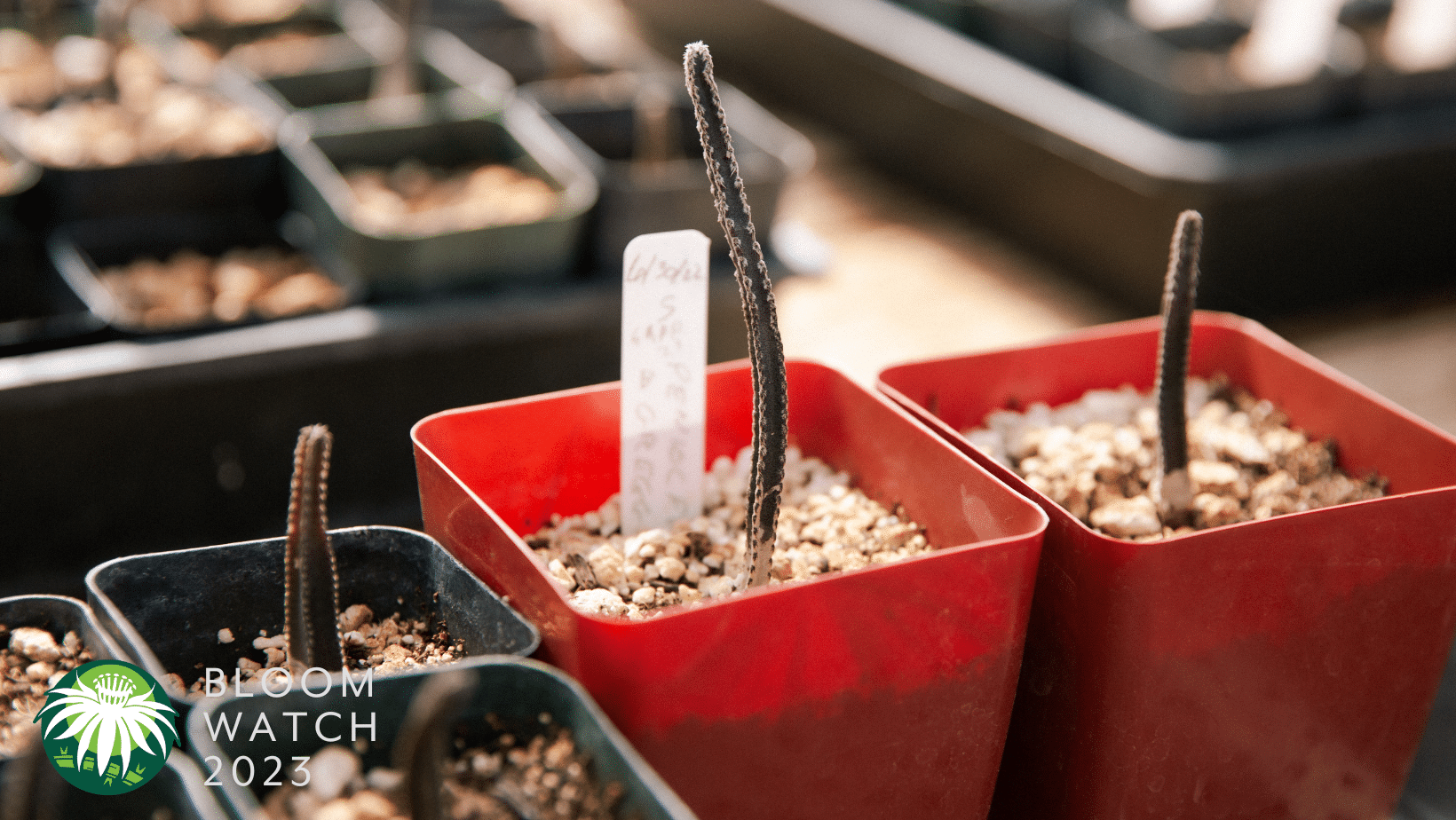
Last June of 2022, we shared in Bloom Watch #4 that our propagation nursery had planted Peniocereus greggii seeds which had germinated and were little seedlings. We’re happy to report they have grown a lot since then! We counted 236 that our propagation volunteers have lovingly planted, tended, and transplanted.

The smallest of those plants are in 2 ½ inch wide pots and the oldest batch is in quart-sized pots. They’ll need to continue to grow before they’ll be ready to plant in the ground or offer to the public, so they won’t be ready this year. We’ll wait till they’ve been able to store more energy in their starchy underground tubers. If a woodrat comes by for a munch or the rains come late, they’ll have a chance of persisting.

By Tracey Till, Propagation Associate

Sign up for Bloom Watch emails here. Be sure you select “Bloom Watch” on the dropdown menu!
Bloom Watch #2

Slow & Steady

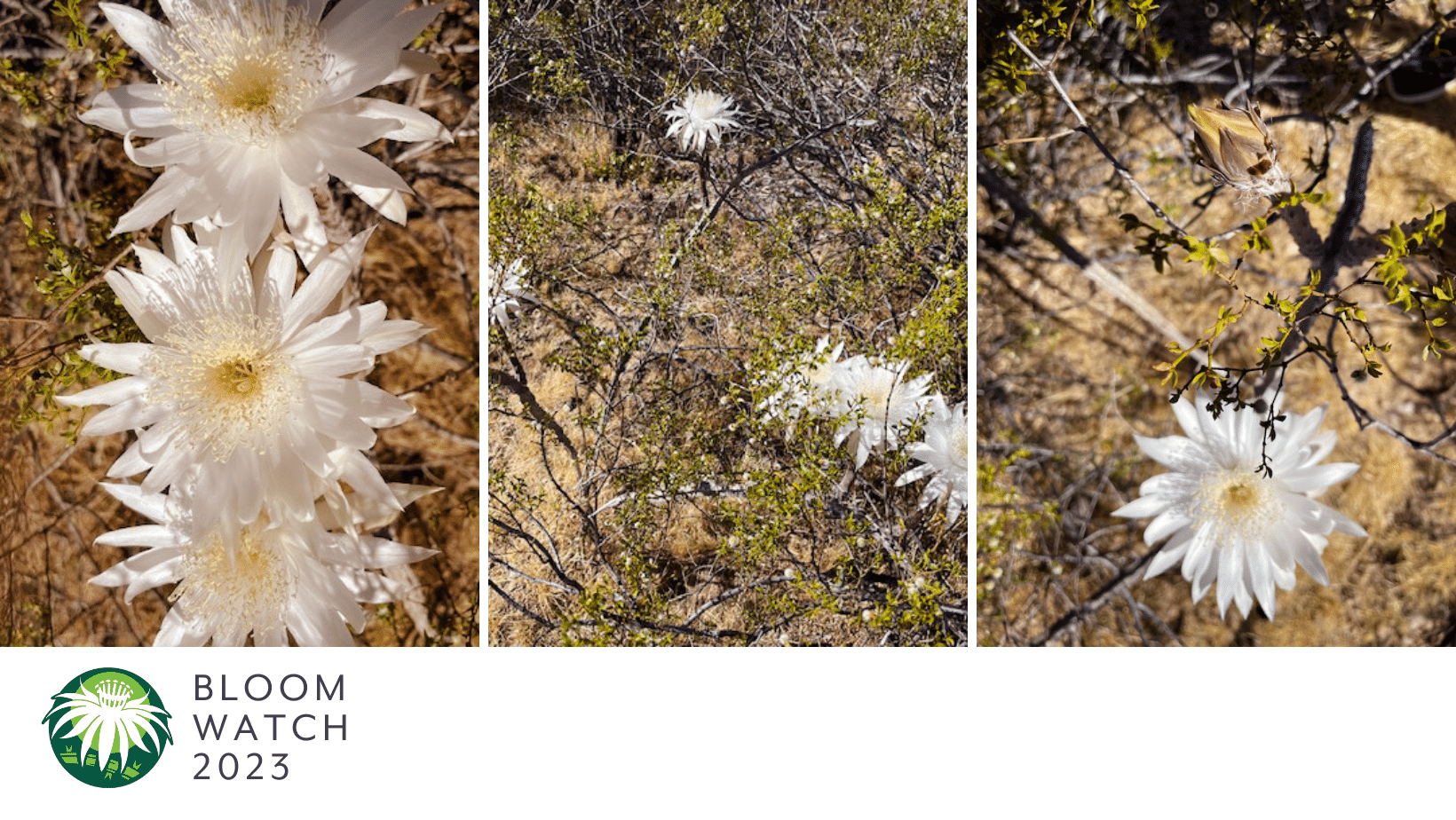
Garden member Beverly’s, Queen (pictured below) surprised her when it bloomed last Friday night; a few weeks earlier than last year. She says she’s going to watch closely as the fruits develop over the following months. Every year there are early birds like this that bloom and remind us that summer is nearly here. 

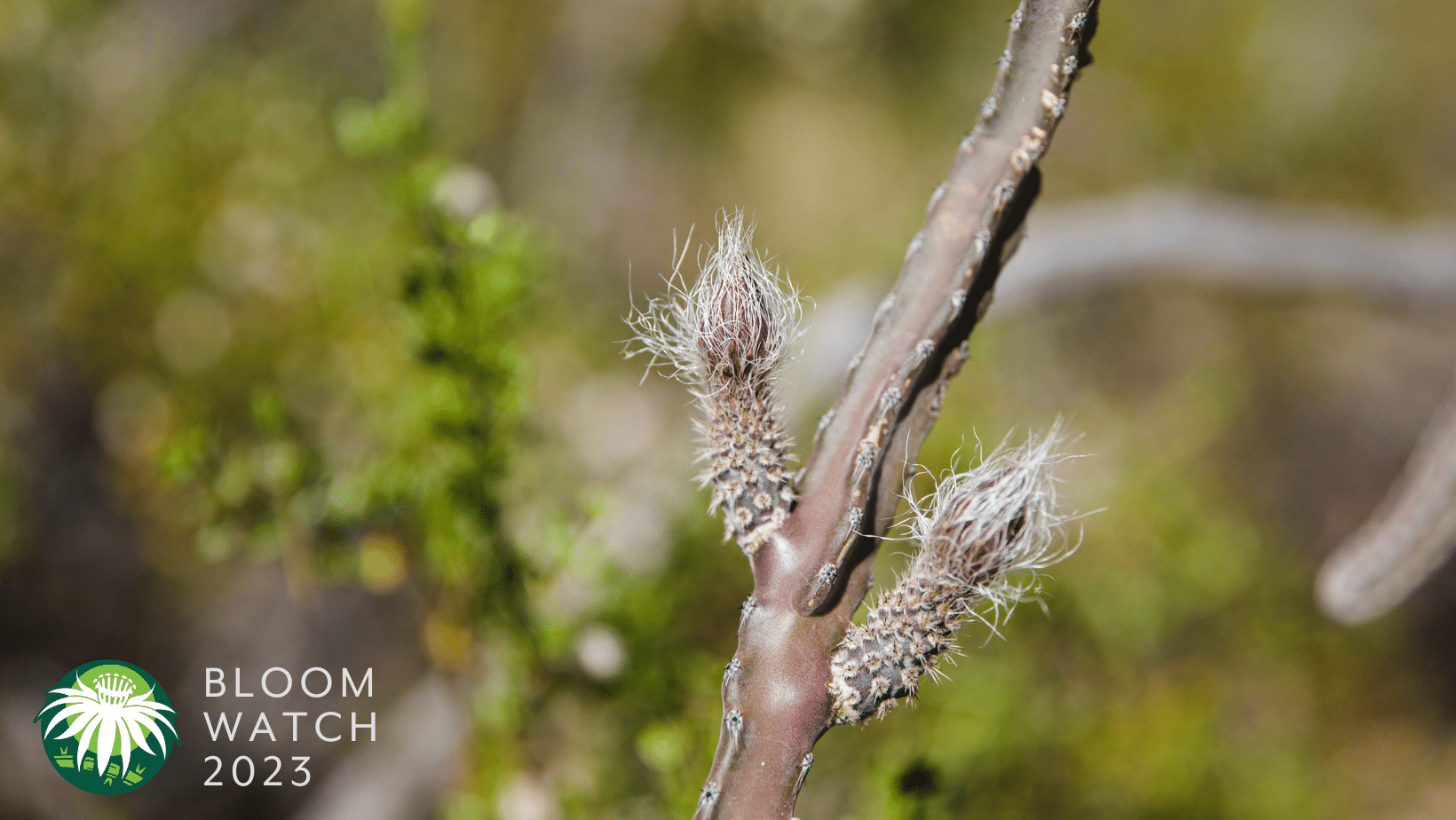
Back at Tohono Chul, the Queens are growing incrementally. Some of the tiny, fuzzy buds are becoming cylindrical as they become new cactus arms while other buds are becoming delicately pointy and growing long white hair as they prepare to become regal flowers.   

Bloom Watch is a delightful chance to take a magnifying glass to these plants. But doing that alone wouldn’t give you the whole picture of who they are.  

The Queen of the Night, Peniocereus greggii, is more than just a species, but a plant community, or more specifically, a population. A population is made up of organisms of a species that live in the same place at the same time and interbreed. We can reflect on this as we prepare to observe the communal adaptation of synchronous flowering.

If you look closely, you can see in the photos below of flower buds from different Queens taken throughout the garden at the same time that the buds are at different stages of development. However, the plants with bigger buds need to wait for most in their area to catch up. At least if they want to be successfully cross-pollinated by desert insects and bats. But why? In the wild, these plants can be growing miles apart. By synchronizing their efforts, they can increase the likelihood that a pollinator will make it from one individual to the next.  

But this begs the question, why not just self-pollinate in that case? Then you’d be sure to produce seeds right?  

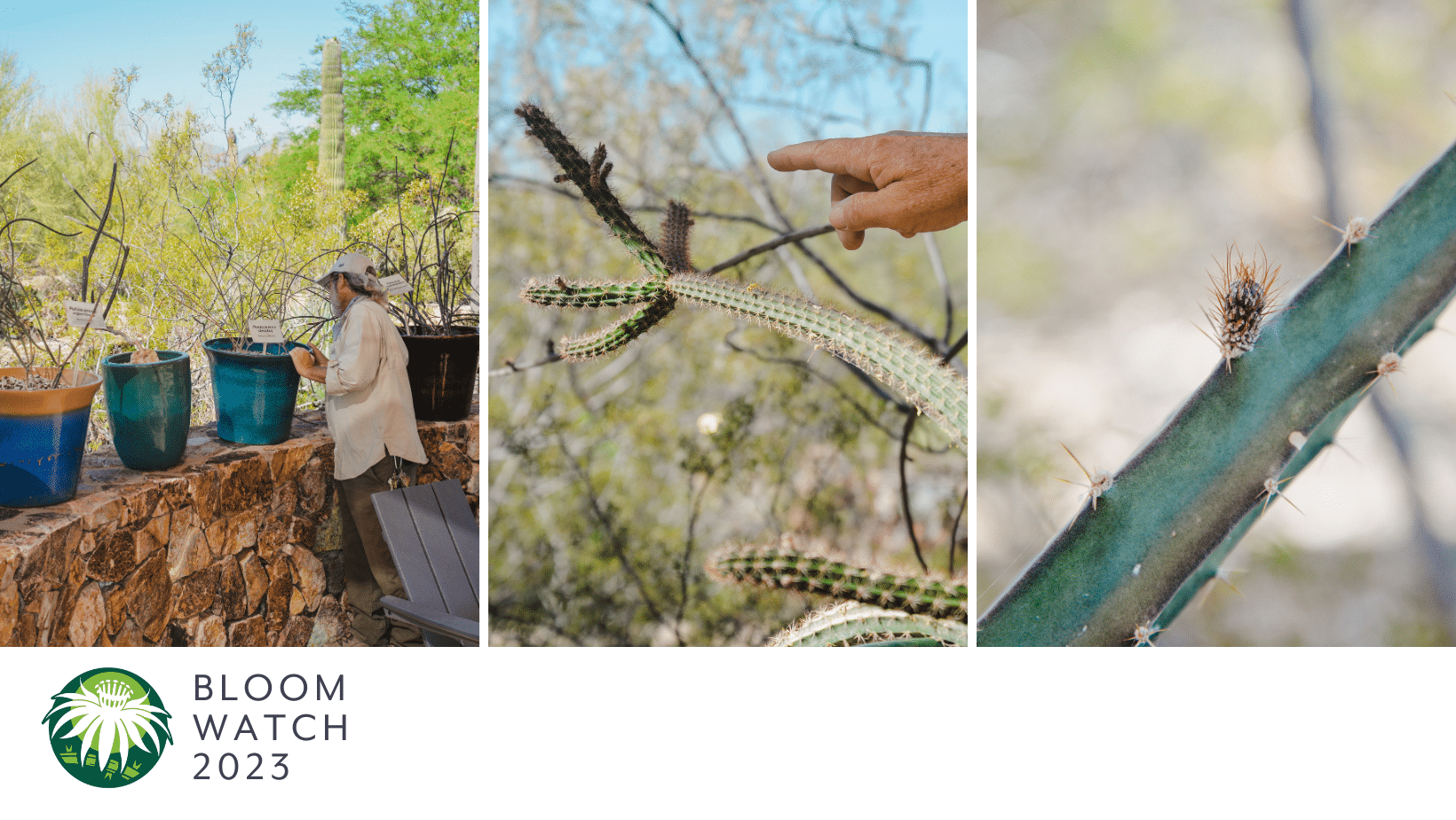
There’s no conclusive answer. However, the benefits to the plant population might outweigh the benefit of an individual’s success. Cross-pollination produces genetically diverse seeds that may be more likely to adapt to variable environmental conditions. If you walk along the Desert View Trail and see the Queens, their diversity is evident in their distinct branching patterns and shapes of their stems. When Bloom Night comes, you may notice the subtle differences in flower color, size, and shape between individuals.  

In addition to genetic diversity, the higher number of seeds produced at once can increase the chance of their successful germination the next time the weather is just right. Humidity in the desert is rare and it’s necessary for cactus embryos to pop out of their seeds and start to grow. The synchronized bloom events may have evolved to give the next generation of cacti a better chance. 

Sign up for Bloom Watch emails here. Be sure you select “Bloom Watch” on the dropdown menu!
Bloom Watch #4 – She Is On The Move

The Queen has decided to push to bloom! This morning the majority of the buds were between 60 and 80 mm. What does this mean? Well, what it means to me is my agony is drawing to an end and it is time to put out the luminarias, charge the solar lights, and prep the trails. For you it means the wait is almost over and it is time to get your walking shoes ready and make sure your flashlights have good batteries. My best guess is that it will be over by this weekend or early next week. As you know, I won’t give an exact day because every time I try to predict the exact day in advance she does something different to make me wrong, so standby. I will let you know as soon as she lets me know the day.

Peniocereus fosterianus
Peniocereus cuixmalensis

Last blog there were about nine flowers on June 22 and three on June 23. Out of those twelve flowers, nine were pollinated which you’ll be able to see their fruits when you’re here on Bloom Night. Since then, The Queen aborted three more flowers.

However, she also decided to make fourteen more buds! This is the latest I have ever seen new buds form.

Several will go with the rest on Bloom Night, whereas some will go later, and some won’t make it.

Peniocereus oaxacensis
Peniocereus greggii

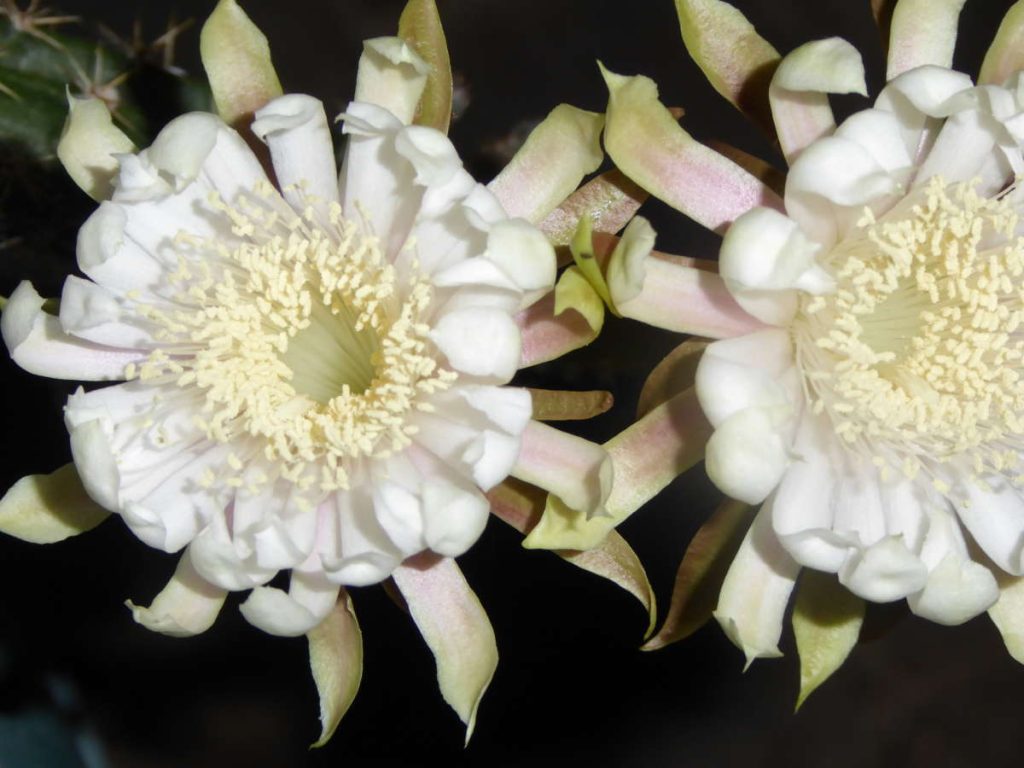
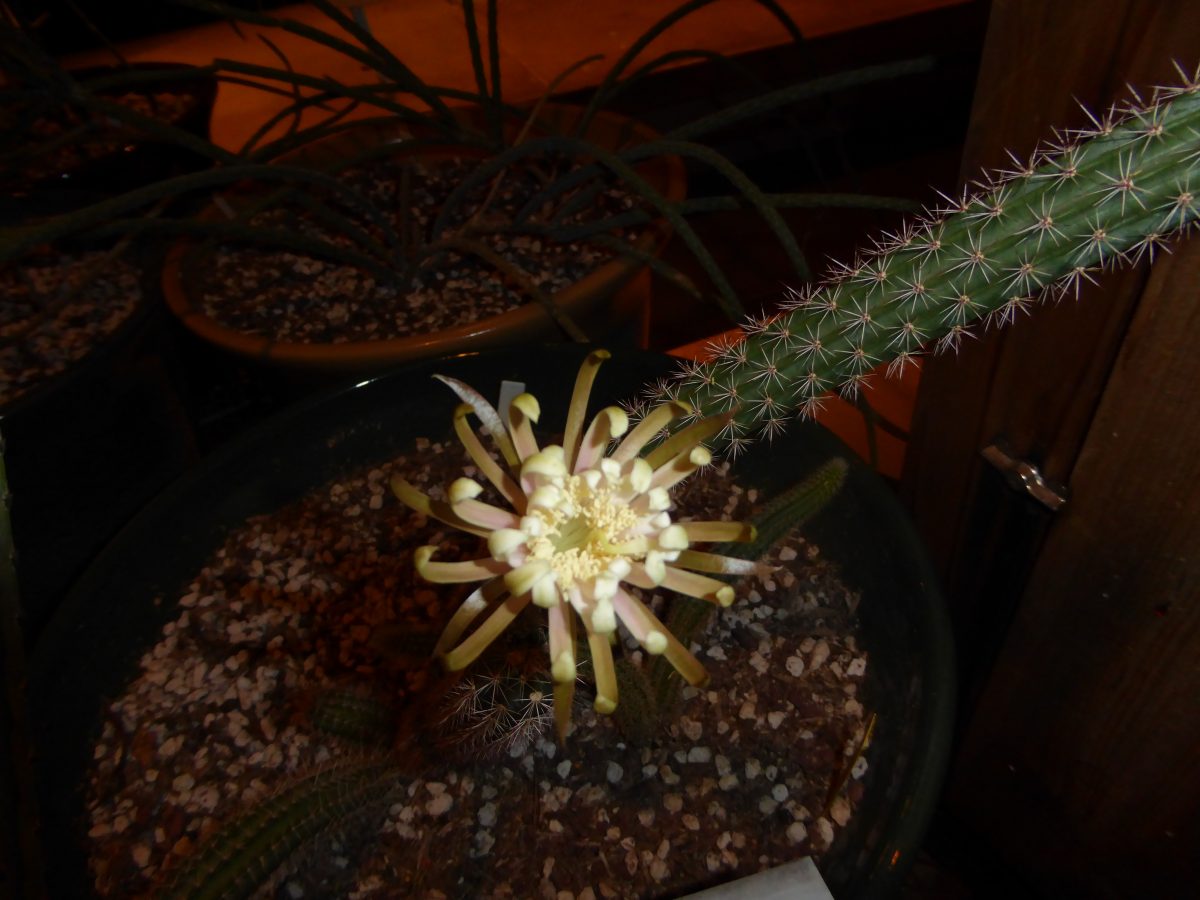
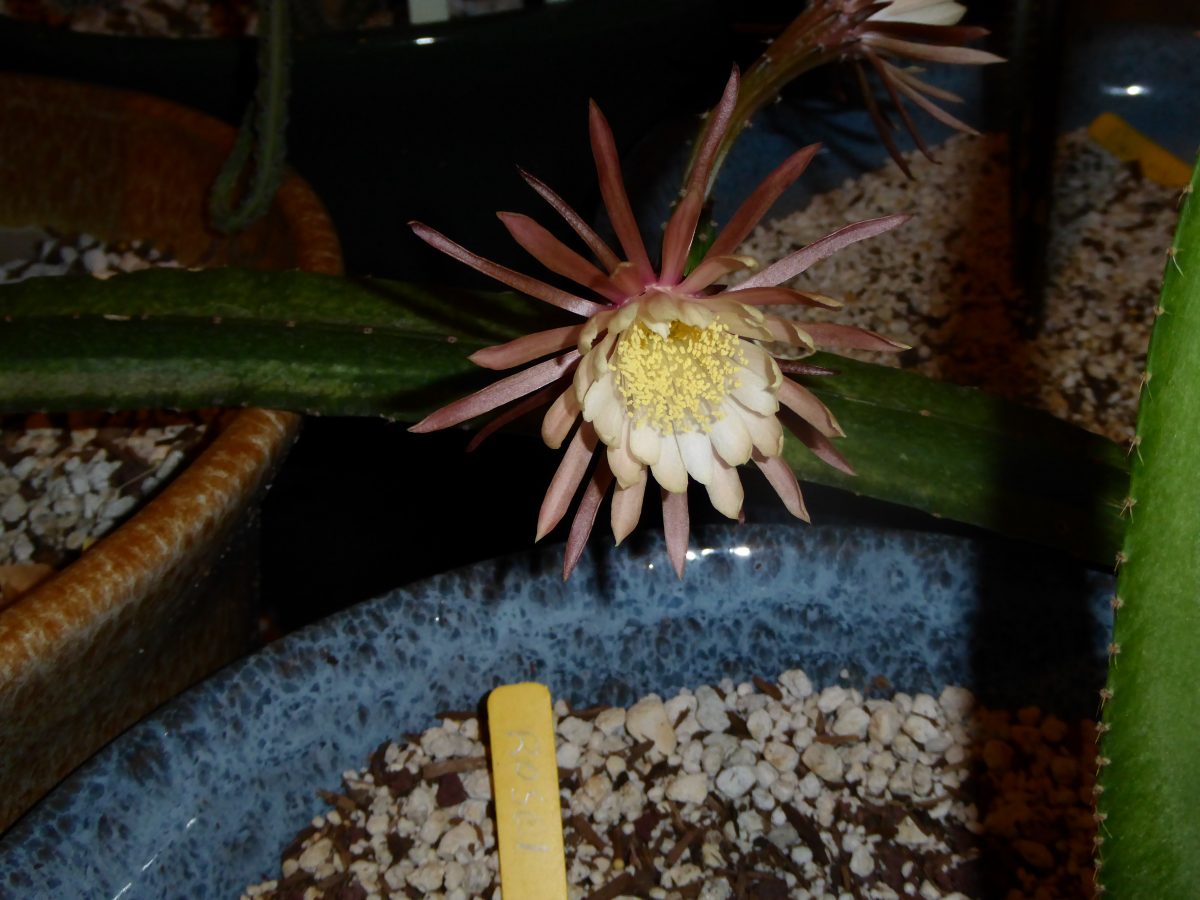
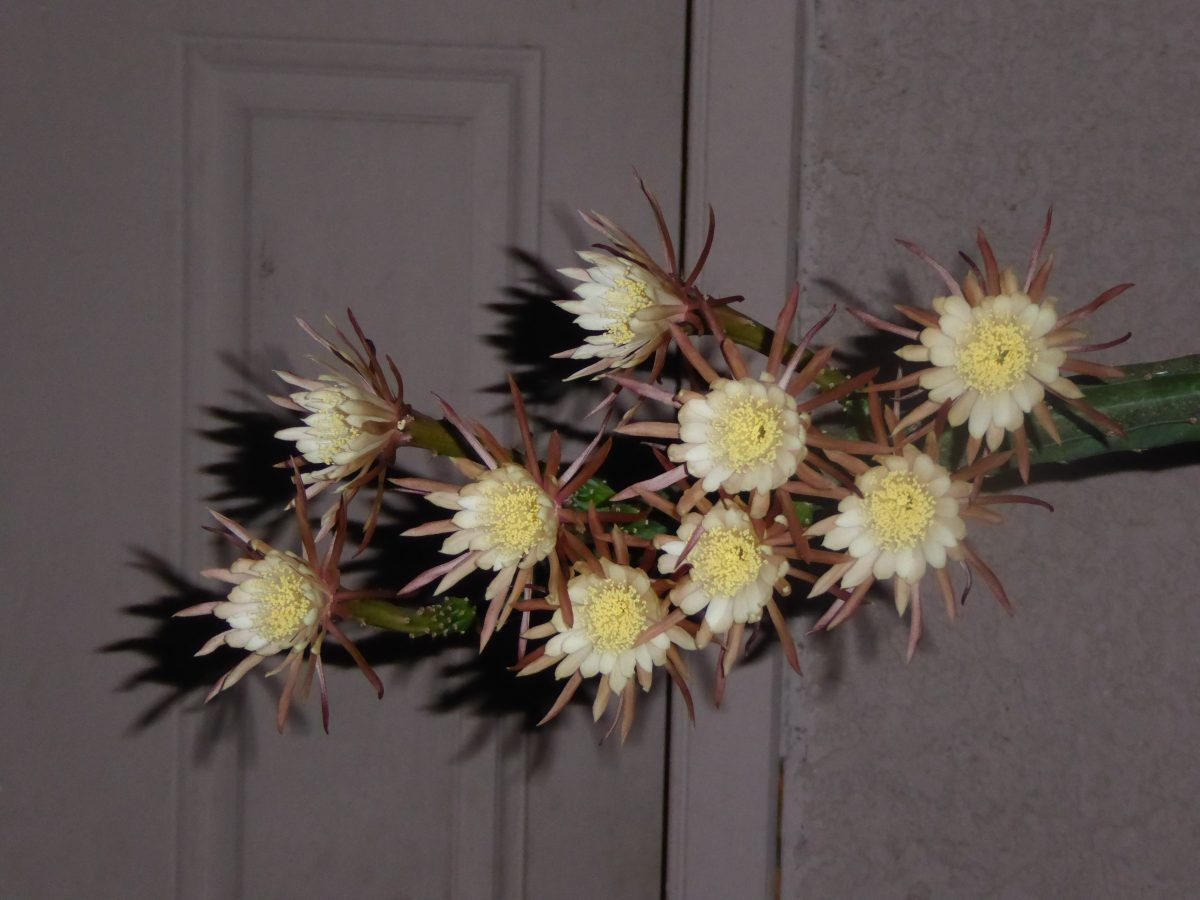
In the Queens Court, the P. cuixmalensis, P. oaxacensis, and P. fosterianus are also on the move. Maybe someone will decide to go on Bloom Night. 

Don’t forget the Garden Bistro will be hosting dinner with last reservations at 7 p.m., but they will also be in the gardens with frozen treats and cool refreshments throughout the night.

Until Next Time – Lee Mason, Director of General Services, Tohono Chul

Bloom Watch #3 – Waiting Patiently

This week has been interesting, if not unusual. Although most of the buds are still in stall status, the Queen has pulled a few surprises. First of all, as of the morning of June 19 she has allowed five flowers to move to 120mm and nine to move 80mm. Which means there were fourteen flowers that bloomed before Monday, June 24. As usual, she finds a way to aggravate me and also make me scratch my head. I have one plant that tried to make five flowers, but just gave up and aborted them. She is growing, but not blooming this year. I have two plants that haven’t bloomed for several years (one hadn’t bloomed for four years and the other for thirteen years) that went from no buds to stall status in a week! It seems a little late for her to start and very fast to catch up with the rest. Just another way for the Queen to insure I know she is in charge of this event, not me.

 
Peniocereus greggii

Peniocereus greggii

Peniocereus fosterianus


Update: There was one flower on the June 20, one on the June 21, nine on the June 22, and three on the June 23.

 
Peniocereus oaxacensis

Peniocereus oaxacensis

Peniocereus cuixmalensis


In the Queen’s Courtn Peniocereus serpentinus continues to bloom. She had four flowers this week! The P. oaxacensis had three flowers on three plants and is still producing more buds. My P. cuixmalensis has two buds. This will be her first year and I’m excited to see what her blooms will look like. My P. fosterianus has twenty buds, slightly down from last year, but it will still be beautiful.  

Until Next Time – Lee Mason, Director of General Services, Tohono Chul

Bloom Watch #2 – Slow, but Steady

This week has been overall pretty slow. There have been a few new buds and a few that gave up and went away. This is normal for her and she will continue with this for the next week or two. On Saturday, June 1 we had one flower. She hit stall size last Wednesday and never bothered to slow down. I have heard that there are other early blooms out there and I would like to see the pictures, so please send them my way along with the date of bloom.  Although it seems early, we did have two flowers on June 3 last year. Yesterday there were a moderate number in stall status, but most range in size from fuzz balls to small. Only time will tell if the Queen will hold these stalls or accelerate to bloom.

With the warm weather most of the plants have started to grow and with luck I can keep the rodents away from them. I am replacing a few plants that didn’t make it for one reason or another.

In the Queen’s Court the P. fosterianus, P. cuixmalensis, and P. oaxacensis buds continue to grow and with a little luck will bloom on the same night so everyone can see them. It doesn’t generally happen, but I always hope.

When the Queen does choose to show her glory remember to bring a flash light and closed-toe shoes. The trails are marked with luminarias, and only this year we are using solar lights instead of candles or oil lamps. Each plant with a flower will also be marked with a different colored bag. The Garden Bistro will have refreshments available and I will let you know what that will consist of as we get closer. All in all it will be a fun night as always.


Until Next Time – Lee Mason, Director of General Services, Tohono Chul

Bloom Watch #1 – An Ambitious Queen’s Court

Here we go again. I have been watching the Queen for the past three weeks and two weeks ago I saw the first buds. Since then she has increased the number to a point where it looks like a good year. I have been asked several times if this was going to be an exceptional year due to the winter rains, however from what I see right now it looks to be normal. There have been the usual setbacks with the pack rats taking their share, and some just being tired and pulling their resources back to the tuber.

[Best_Wordpress_Gallery id=”18″ gal_title=”Bloom Watch Blog #1 – FY2019″]


As for the Queen’s Court, the Peniocereus marianus on grounds produced twenty-nine blossoms on two plants. The buds started in December and bloomed March. My P. marianus at home aborted her seven buds after the short cold snap in January. My P. johnstonii at home had ten beautiful flowers over a three-night period. The show for me so far was my P. viperinus, she produced 149 beautiful small red flowers over a three-week period. That is the most flowers I’ve seen on any one plant! Sadly, I won’t get any seeds because I only have one and she is not self-compatible. I did try to cross pollinate her with the P. johnstonii, which bloomed at the same time, with no luck. The P. serpentinus (recently changed to genus Nyctocereus) in the gardens has had sixty-five flowers so far, with a few more buds on the way. My P. fosterianus, P. oaxacensis, and P. tepalcatepecanus have all started to bud up.

I’m sure there will be up and downs again this year as always, but that is what makes the Queen such an interesting Monarch to all of us loyal subjects. Will keep you informed of her progress and am looking forward to seeing all of you again at this year’s Bloom Night.

Until Next Time – Lee Mason, Director of General Services, Tohono Chul


Bloom Watch #4 – Will It Be This Weekend?

It appears that the Queen accepted the rain with exuberance. She broke stall on Sunday and Monday and is on the move toward bloom. Today most of the buds are in the in the 60 to 80 mm range putting them only 5 to 6 days out. There are a few at 90mm, a few at 50mm, and one at 110mm. Right now it looks like there will be a small split on the bloom with the majority going on the same night. It is possible however, that her plans will be different than mine, as is usually the case.

The P. tepalcatepecanus had two flowers on Saturday night and the P. oaxacensis had one bloom on Sunday. The P. fosterianus has started pushing toward bloom and may happen on the same night as the Queen. I sure hope so anyway. My Queen is on track with her counterparts in the gardens and all of her Court are pushing for the bloom.

It appears that we could together as early as this Friday or as late as Monday, but right now my best guess (which I hate to do knowing how much she likes to frustrate me) is Saturday or Sunday. So get ready to stand by with your boots out and put new batteries in your flashlight. I will let you know the exact day as soon as she lets me know.

Until Next Time – Lee Mason, Director of General Services, Tohono Chul

Bloom Watch #3 – Will Rain Make Her Bloom?

On June 3, Plant #64 let two of her flowers go. This is the same plant that went first last year with two flowers on May 19. The rest of her flowers remain in stall status. It will be interesting to see if they will push off stall, if and when the rain really does come this weekend. If so, the big night may come seven to ten days afterwards. Stay tuned.

The Queen has seen fit to abort ten more buds since last week. I did see some fuzzies yesterday, but don’t really believe they will produce. She may have a different plan as she frequently does, especially if it serves to frustrate me. We’ll see.

I always enjoy receiving pictures from you of your bloomed Queens. Please keep sending them our way! Jesse Byrd from the Pima County Native Plant Nursery has had four bloom in their collection already. They have also lost several buds, but still have more to come.

As for the Queen’s Court, the P. tepalcatepecanus has produced two more buds that will more than likely go in the next few days. The rest of the P. fosterianus and P. oaxacensis are still in a holding pattern. I told you in the last blog that the P. serpentinus in the pot had three buds which then bloomed on June 10. The plant in the ground decided to make a liar out of me and produced four more buds over the weekend.

I’m checking every day now and will let you know as soon as the Queen decides to make her big appearance.

Until Next Time – Lee Mason, Director of General Services, Tohono Chul

Bloom Watch #2 – A Blooming Queen’s Court

Hello Everyone,

The Queen is doing her thing, her way, as she always does. This week she has decided to drop some buds that she determined are not supportable. The majority of what is left are in a medium growth range, while some are in stall. I did notice a few fuzzes that may develop into flowers, as well as lots of new stem growth. A few of the reliable plants are pulling their resources back to the tuber to regenerate. Hopefully they will start again later this summer and be ready for next year. This is a normal occurrence that we see every year on a few plants that have been going strong for several years. My observation is she gets tired and just wants a rest.

P. tepalcatepecanus

P. oaxacensis


The Queen’s Court had some blooms. The P. tepalcatepecanus had one flower on the May 25 and then decided to abort the rest of the buds. Mine at home is just starting to bud, so maybe the one here at Tohono Chul will try again. The P. fosterianus had one on May 26 and still has more coming. The P. oaxacensis had two flowers on May 27 and has a few buds left. The P. serpentinus on the grounds has stopped producing buds, but the plant in the pot has three that will go in the next few days. The one at my home already had one flower on May 30.


P. fosterianus

That’s it for now, but it is almost time for me to start daily walks to visit the Queen and try to keep up with her moody progress. Talk to you all soon and have a good weekend.


Until Next Time – Lee Mason, Director of General Services, Tohono Chul